Amazon Product Research for Part‑Time Sellers: Maximizing Limited Hours

For thousands of part-time Amazon sellers, finding profitable products isn’t just about skill—it’s about making every minute count. According to a 2023 survey, over half of Amazon sellers operate their businesses part-time, typically working fewer than 20 hours per week on their stores. This limited time frame means that sellers must be laser-focused and efficient when conducting Amazon product research—the difference between profit and wasted effort often comes down to the tools and methods chosen.

Today, the demand for bulk Amazon product research tools that automate or accelerate the process has never been higher. Platforms like stage.analyzer.tools enable sellers to analyze thousands of products in minutes, freeing up precious hours. As automation becomes the new standard, the real challenge is knowing how to use these advancements strategically.

  • Automation and efficient tools can drastically reduce your research workload each week.
  • Reverse sourcing and competitor analysis are proven ways to identify profitable products faster.
  • Compliance with Amazon rules is essential for long-term business success and seller account safety.
  • Compare bulk tools like stage.analyzer.tools, Helium 10, and Jungle Scout for best results.
  • Ongoing research and learning give part-time sellers a continual edge in the marketplace.

Why Time-Efficient Product Research Matters for Part-Time Sellers

Product research is the backbone of any successful Amazon business, but for part-time sellers, the stakes are even higher. With limited hours, every inefficient workflow or manual task can add up to missed opportunities and lost revenue. A recent report found that sellers using automation tools reduced their weekly significantly research workload by over 20 hours per week compared to those relying solely on manual methods. (LinkMyBooks, 2025)

This shift is driven by a growing trend among part-time sellers to adopt AI-powered research tools and automated platforms, making time efficiency a top priority.When your time is limited, every research shortcut matters.

This is why FBA product research for busy sellers and smart Amazon product research strategies are no longer optional—they are essential. Efficient research not only saves time but also reduces risk, as sellers can more quickly identify profitable, compliant products and sidestep common pitfalls. As one part-time seller shared in an industry interview, “I went from spending 10 hours a week on research to less than three, just by using automation tools and setting up my workflow right”.

The Fastest Ways to Identify Profitable Products (Without Wasting Hours)

The most successful part-time sellers rely on proven, time-saving tactics to zero in on winning products. Here’s how you can do the same:

  1. Quick View Analysis: Use browser extensions or research tools that display key product metrics—such as sales rank, estimated revenue, and competition—right on Amazon search pages. This allows for instant filtering without clicking into each listing.
  2. Reverse Sourcing: Instead of guessing what might sell, start with supplier catalogs and cross-reference them with Amazon’s best-selling items. Tools like stage.analyzer.tools and Helium 10 automate this process, matching thousands of SKUs in minutes.
  3. Competitor Monitoring: Set up alerts or tracking for top competitors’ new product launches and price changes. This method identifies market gaps and trending products efficiently.
  4. Automated Keyword and Trend Analysis: Leverage platforms that scan for trending keywords and products, delivering suggestions based on real-time data.

For sellers with limited budgets, targeting niche products or higher-priced items can lead to greater profit margins and require fewer sales to reach revenue goals.

A 2023 study reported that sellers leveraging these strategies—and particularly those who automate at least part of their research—saw product research times drop significantly compared to manual-only workflows.

For a complete breakdown of product research basics, see our Amazon Product Research 101: What It Is and Why It Matters guide.

Top Tools and Automation Solutions for Part-Time Sellers

When every hour counts, choosing the right software can make all the difference. Here’s a closer look at the best Amazon product research tools for part-time sellers, with an emphasis on automation and bulk analysis:

1. stage.analyzer.tools: For sellers managing large product lists, stage.analyzer.tools is a massive upgrade. Its unique ability to handle up to 1,000,000 SKUs per hour sets it apart, providing over 75 data metrics per product for instant, bulk analysis. Time-saving features like automated IP alerts, reverse sourcing, and direct integration with supplier spreadsheets mean part-time sellers can process and validate opportunities at scale.

2. Helium 10: Known for its comprehensive tool suite, Helium 10 offers Black Box for product discovery, Xray for real-time Chrome extension data, and Magnet for keyword research. Recent company data indicates users report a significant reduction in research time using their automation features.

3. Jungle Scout: A favorite for its Opportunity Score metric and robust product database, Jungle Scout helps part-time sellers quickly assess product viability. According to Jungle Scout’s 2023 report, over 600,000 sellers use their platform globally.

4. AMZScout: AMZScout’s Product Score and Chrome extension enable rapid analysis of profitability, competition, and trends—ideal for sellers with limited time.

5. SellerApp: With powerful analytics, competitor tracking, and workflow automation, SellerApp helps streamline research and offers actionable insights for both new and experienced sellers. SellerApp’s analytics make it easy to track review trends and spot gaps in customer satisfaction, helping sellers optimize products even after launch.

For a deeper dive and more comparison points, see our Best Amazon Seller Tools for FBA roundup.

Bulk product research often requires converting product identifiers for better compatibility between different supplier lists and Amazon. If you need to convert between ASIN and UPC/EAN codes for bulk listings or analytics, stage.analyzer.tools also offers a free ASIN to UPC/EAN converter—a must-have for high-volume sellers looking to streamline analysis and save time on data preparation.

For sellers seeking alternatives to mainstream research tools with expanded features, you can explore our detailed comparison of Scan Unlimited alternatives. This guide is especially useful if you’re investigating tools that support advanced bulk analysis, specialized metrics, or additional automation options.

Case Studies & Real-World Wins—How Part-Time Sellers Maximize Results

Real-world results speak volumes about the impact of automation and efficient research strategies.

Outsourcing Routine Tasks:
A well-documented case from Virtual Bell Associates highlighted how a part-time seller hired virtual assistants (VAs) to manage inventory and optimize listings, leading to an increase in sales and freeing up significant personal time (Virtual Bell Associates, 2023).

Automated Advertising:
Baby Sweets, an Amazon seller, saw a 223% increase in daily conversions and saved 167 hours over three months after adopting automated advertising and keyword management strategies (Single Grain, 2023).

Rapid Launch with Limited Capital:
Bradley Sutton, starting with just $5,000 and using Helium 10, achieved over $4,000 in net profit within six weeks by focusing his research on moderate-competition, high-demand products (Helium 10, 2023).

Product Listing Optimization:
Pamela, an individual seller, improved sales after collaborating with experts to conduct keyword research and optimize her product listings, resulting in higher visibility and conversion rates (SellerApp, 2023).

As experienced Amazon seller puts it, “The more you know, the less of a risk you are taking.” This reinforces the value of thorough market research, even for sellers with limited time.

For more details on bulk product analysis strategies, visit Bulk FBA Analysis on a Budget: Strategies for Finding Winners Fast.

Staying updated with the latest Amazon statistics can help part-time sellers spot market shifts and adjust sourcing strategies. Analyzing trends year-over-year is especially important when using bulk research tools like stage.analyzer.tools, as changes in buyer behavior or competition can alter which products are most profitable or compliant in the current landscape.

Common Pitfalls and Myths About Product Research Efficiency

Even experienced sellers can fall for common myths—often at great cost.

  • Believing “any product can succeed” leads to wasted investments in saturated niches.
  • Assuming that “high sales guarantee high profits” without factoring in costs and competition.
  • Treating product research as “set and forget” in a constantly shifting marketplace.

It’s a common misconception that initial success will continue without ongoing analysis or process updates.

Skipping research isn’t a shortcut—it’s a risk that can cost you both time and money. For an in-depth look at what to avoid, see Common Mistakes Beginners Make in Amazon Product Research or explore our Amazon seller web app to streamline your workflow.

Best Practices and Compliance—Staying Efficient and Safe

Compliance and smart process design are essential for long-term Amazon success. As Amazon’s Dharmesh Mehta noted, new AI and automation tools like “Amelia” are being introduced to give sellers their own personalized experts, streamlining everything from sales metrics to inventory (Reuters, 2024).

Be aware that certain product categories require explicit Amazon approval before listing. Overlooking these requirements is a frequent cause of account suspensions for new and part-time sellers.

Key practices for part-time sellers:

  • Always use reliable research tools to analyze market demand, competition, and profitability.
  • Stay updated on Amazon’s restricted brands and compliance policies; failing to do so can lead to listing removal or account suspension. For more, see Amazon Restricted Brands Explained: What You Can and Can’t Sell.
  • Monitor customer feedback to identify improvement opportunities and maintain high ratings.

Staying compliant isn’t just about avoiding penalties—it’s about building a sustainable Amazon business.

Conclusion: The Path Forward for Time-Constrained Amazon Sellers

Mastering Amazon product research is about working smarter, not longer. The right strategies and tools can turn a few spare hours each week into a source of real profit and growth.

As demonstrated by industry case studies, part-time sellers who adopt automation and efficient processes often outperform those with more time but less focus.

Efficiency isn’t just an advantage for part-time sellers—it’s the secret to long-term success on Amazon.

To take the next step in maximizing your margins, explore our guide on how to maximize profits with a free FBA calculator.

Participating in Amazon seller communities and ongoing education can provide timely tips and keep you ahead of marketplace changes.

If you’re interested in leveling up your wholesale sourcing and product research, stage.analyzer.tools is purpose-built to meet the needs of busy Amazon sellers. Whether you manage massive supplier price lists or just want more accurate insights into what sells well, the platform’s bulk analysis, compliance tools, and advanced metrics can help you make profitable decisions in less time. Start your research journey and see the difference efficiency makes.

FAQ

How does stage.analyzer.tools help part-time Amazon sellers save time?
stage.analyzer.tools automates the bulk research process, scanning up to 1,000,000 SKUs per hour and providing actionable data—including profit margins, estimated sales, and IP alerts—for every item in your supplier list. This means you spend less time manually checking products and more time on decision-making and selling.

What’s the main advantage of using bulk Amazon product research tools?
Bulk Amazon product research tools speed up analysis by processing thousands (or millions) of products at once, surfacing which items are both profitable and in demand on the Amazon marketplace. This level of efficiency is especially valuable for B2B sellers who deal with extensive catalogs or tight schedules.

Is there a learning curve for new users of stage.analyzer.tools?
stage.analyzer.tools is designed to be user-friendly for Amazon sellers at all levels, with cloud and desktop options, custom filters, and helpful charts. Most new users can upload supplier lists and interpret the results with minimal training thanks to the intuitive interface and support resources.

Can stage.analyzer.tools help with compliance and restricted brands?
Yes, the platform offers Amazon restricted brand alerts that flag products associated with known restricted brands or recent IP complaints. This helps you avoid accidental listing violations—which is an important step in protecting your Amazon seller account.

Where can I learn more about changes in Amazon’s policies and fees that impact bulk sellers?
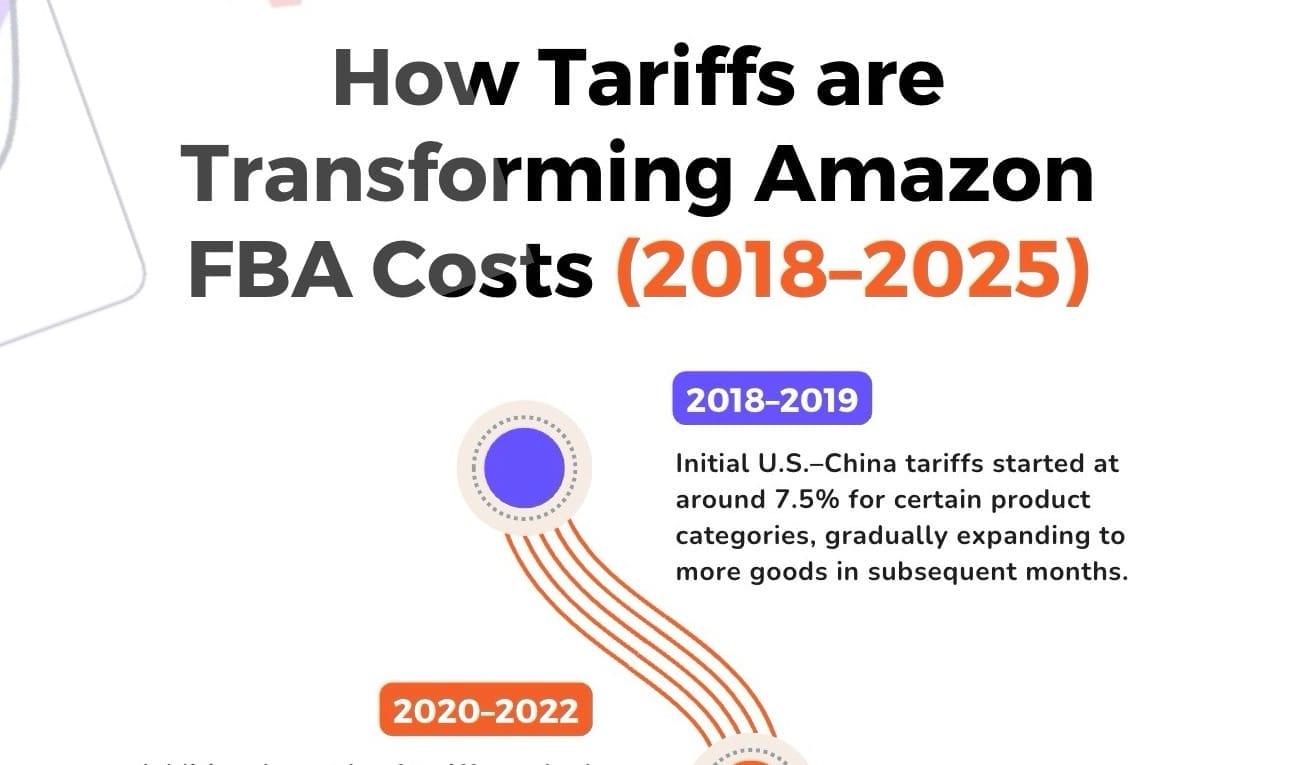
To stay updated on policy and cost shifts, check out our article on how tariffs are transforming Amazon FBA costs. This can help you better plan your bulk sourcing and pricing strategies.

References

  • eCommerceBytes. (2023). “Why Amazon Sellers Fail: The Top-Reported Causes.” https://www.ecommercebytes.com/
  • Helium 10. (2023). “Annual Seller Productivity Report.” https://www.helium10.com/
  • Jungle Scout. (2023). “State of the Amazon Seller 2023.” https://www.junglescout.com/
  • SellerApp. (2023). “How to Do Amazon Product Research Efficiently.” https://www.sellerapp.com/
  • Virtual Bell Associates. (2023). “Amazon Seller Success Stories with Virtual Assistants.” https://virtualbellassociates.com/
  • Reuters. (2024). “Amazon adds chatbot to its sellers, boosting automation.” https://www.reuters.com/technology/amazon-adds-chatbot-its-sellers-boosting-automation-2024-09-19/

How to Avoid Oversaturated Niches When Selling on Amazon

With more than 9.7 million sellers registered on Amazon and 1.9 million actively selling as of 2024, competition for visibility and profit is fierce. Independent sellers now account for roughly 60% of Amazon’s total sales, highlighting both opportunity and risk for entrepreneurs looking to launch or scale their business on the platform (Marketplace Pulse, 2024).

For sellers, the biggest threat isn’t just finding a product to sell—it’s inadvertently entering an Amazon niche saturation scenario, where the market is crowded and profit margins quickly erode.

That’s why using advanced Amazon product research tools and focused Amazon market analysis is essential. With platforms like stage.analyzer.tools, sellers can analyze bulk product lists, screen for profitability, and avoid the costly trap of oversaturated niches before making major inventory decisions.

What “Niche Saturation” Really Means on Amazon in 2024

Niche saturation on Amazon describes a market condition where the demand for a specific product is fully met by a large pool of sellers, often resulting in intense price competition, high advertising costs, and shrinking returns.

This is especially clear in categories like Home & Kitchen, which currently hosts the highest number of active sellers—35% of sellers list in this segment (WeAreHereX, 2024).

Here’s what Amazon market saturation indicators look like today:

  • ? A high number of sellers offering nearly identical products.
  • ⭐ Products with hundreds or thousands of reviews, making it hard for newcomers to gain traction.
  • ? Decreasing price trends and costly pay-per-click (PPC) advertising battles

Cutting corners on research or jumping into crowded markets is a formula for frustration.

Instead, successful Amazon FBA product selection now depends on identifying unsaturated opportunities where real customer needs remain unmet.

Additionally, regulatory requirements or strong seasonality can further limit success in crowded categories.

For more perspective on marketplace trends, see our insights on Amazon Statistics.

How to Spot—and Avoid—Oversaturated Niches Before You Invest

Pro Tip: Avoiding saturated markets on Amazon begins with a proactive, step-by-step research process:

  1. Analyze the Competition: Use top Amazon product research tools like stage.analyzer.tools, Helium 10, and Jungle Scout to check the number of sellers, review counts, and sales trends for your target product. For example, if you notice hundreds of sellers in the “Electronics” category and listings with thousands of reviews, that’s a major red flag. Review competitor feedback to uncover gaps or pain points not yet solved by existing products.
  2. Check Sales Volume and Trends: Evaluate whether demand is steady or declining. High sales volume with stagnant or falling prices often signals saturation.
  3. Evaluate Keyword Difficulty: Use Amazon keyword research tools to see whether ranking for main product terms is realistic. Look for long-tail keywords with healthy search volume but fewer competing listings.
  4. Assess Sales Rank Metrics: Monitor Amazon sales rank metrics over time—volatile or dropping ranks can indicate oversupply.
  5. Target Micro-Niches: Instead of generic categories, explore more focused opportunities. Target micro-niches—for example, selling portable, eco-friendly products rather than generic alternatives. Our Micro-Niche Mastery guide explains how sellers are winning by specializing in eco-friendly or uniquely bundled products.

By using multiple research tools, sellers can validate their choices before investing and avoid expensive missteps.

Micro-Niches, Bundling, and Other Strategies to Stand Out

To succeed in an era of Amazon niche identification and strong competition, standing out is essential. Sellers who focus on micro-niches, creative product bundling, or trends like sustainability are consistently carving out profitable spaces.

  • Micro-Niches: Instead of selling generic yoga mats, one seller pivoted to eco-friendly and portable versions, targeting a customer base that valued sustainability and convenience.
  • Product Bundling: Another seller bundled a coffee grinder with premium beans, creating a value proposition that stood out in a saturated kitchenware market. Bundling complementary items can also increase perceived value while reducing direct price comparison.

As Amazon product trends change, it’s the sellers who differentiate and innovate that consistently outperform those stuck chasing crowded, “me-too” products.

Sustained adaptation and product improvements are key to long-term success.

Common Pitfalls—Why Most Sellers Fail in Oversaturated Markets

Why do so many sellers struggle—even after doing their homework? The answer often lies in ignoring the warning signs of saturation and underestimating the financial risks.

The infamous fidget spinner craze of 2017 is a cautionary tale: thousands of sellers rushed in, only to see price wars, mounting Amazon fees, and unsold inventory as the trend collapsed almost overnight.

Price wars often force sellers into unsustainable profit margins, leading to early exits from the market.

Similarly, the “Electronics” category remains one of the most competitive on Amazon, with 44% of U.S. shoppers buying electronics on the platform and thousands of sellers vying for attention.

Many Amazon sellers fail because they enter oversaturated niches where standing out is nearly impossible. When top sellers dominate with thousands of reviews and identical products flood the market, high PPC costs make profitability unsustainable.

High PPC advertising costs and aggressive price competition can quickly erode margins—especially for newcomers.

Key Takeaways—How to Future-Proof Your Amazon Business

Key takeaway: The path to success on Amazon is about strategy, not shortcuts. Sellers who conduct thorough market research, embrace Amazon FBA product selection best practices, and continuously differentiate their offerings are far more likely to thrive.

Success FactorWhy It Matters
Market ResearchAvoids saturated niches and identifies unmet needs
Product DifferentiationStands out from competitors and avoids price wars
Continuous InnovationKeeps your business resilient as trends shift

Most Amazon sellers who succeed report net profit margins of 15–20%—a realistic and achievable target when you avoid saturated markets and focus on innovation (AdNabu, 2023).

Continuous innovation, data-driven Amazon seller strategies, and smart use of research tools will keep your business resilient—regardless of how the marketplace changes.

Don’t forget to optimize your listings with our Step-by-Step Guide to Back-End Keywords.

Regularly reviewing Amazon’s restricted product list and policy updates can help avoid unexpected listing removals.

References

  • AdNabu. (2023). Amazon Seller Statistics: Net Profit Margins and More. https://blog.adnabu.com/amazon/amazon-seller-statistics/
  • Marketplace Pulse. (2024). Amazon Marketplace Pulse: Independent Seller Share. https://www.marketplacepulse.com/articles/amazon-marketplace-2024
  • MakeBusiness.eu. (2023). Building a Profitable Niche on Amazon: A Start-Up Guide. https://makebusiness.eu/building-a-profitable-niche-on-amazon-a-start-up-guide/
  • Niche Pursuits. (2023). Amazon Statistics: FBA Usage and Market Trends. https://www.nichepursuits.com/amazon-statistics/
  • WeAreHereX. (2024). Amazon Seller Statistics by Category. https://www.weareherex.com/amazon-seller-statistics/
  • ZonGuru. (2023). Amazon Niche Selection: Stop the Pain, Find the Gain. https://www.zonguru.com/blog/amazon-niche-selection-stop-the-pain-find-the-gain/

How to Maximize Amazon Profits with a Free FBA Calculator

For millions of Amazon sellers, the difference between success and stagnation often comes down to understanding the true cost and profit potential of every product. According to a 2024 survey, 89% of Amazon sellers are profitable, but rising fees and fierce competition mean that maximizing those profits is more complex than ever. That’s where the Amazon FBA Calculator comes in—a tool that empowers sellers to make smarter, faster, and more profitable decisions.

Resources like our stage.analyzer.tools’ free FBA calculator have become essential, giving sellers of all sizes instant clarity on fees, margins, and the best fulfillment strategy. Sellers leveraging tools have reported improved profit margins and more confident sourcing decisions.

  • Quickly assess the real profit of any Amazon product—including hidden fees and costs
  • Use data-driven tools to analyze bulk product lists for smart sourcing
  • Avoid common Amazon FBA pitfalls by accurately forecasting margins
  • Stay ahead with fresh, AI-powered features and updated policy guidance
  • Explore internal Amazon B2B opportunity recommendations and bulk analytics

What Is an Amazon FBA Calculator—And Why Does It Matter for Profit?

Think of an Amazon FBA Calculator as the financial dashboard for your Amazon business. It’s not just about tallying fees—it’s about revealing the true profitability of every product you consider.

As e-commerce strategist Carla Bauto Deña notes, “The FBA calculator is more than just a fee estimator; it’s a decision-making tool that can significantly influence your product and pricing strategies.” By entering product costs, dimensions, shipping, and anticipated sale price, sellers can instantly compare Fulfillment by Amazon (FBA) and Fulfillment by Merchant (FBM) options to determine which approach delivers the best margins.

This enables sellers to avoid costly missteps and prioritize products that truly move the profit needle. With tools like the stage.analyzer.tools FBA calculator, sellers can model best-case, worst-case, and seasonal scenarios—making it easier to scale up with confidence.

Top sellers also use these calculators to model the impact of fees, pricing strategies, and inventory turnover before making costly commitments.

The Anatomy of Amazon FBA Fees (What Every Seller Should Know)

Amazon’s FBA program is powerful, but understanding its fee structure is non-negotiable for profit-focused sellers.

Most Amazon sellers report net profit margins between 15% and 20%, so every fee counts.

The main fees to track are:

Other Fees: Long-term storage charges, removal/disposal fees, and refund administration costs.

Amazon’s refund administration fee is usually 20% of the refunded amount (capped at $5.00), and overlooking these charges can eat into your profits.

Overlooking any of these can quickly erode your Amazon Seller Profit Margin. For a deeper dive into current fee structures, see Amazon seller statistics and recent policy breakdowns.

Discover top alternatives to Scan Unlimited for more ways to analyze your bulk supplier price lists and streamline your product sourcing process.

Step-by-Step—How to Use a Free FBA Calculator to Maximize Your Profits

A free FBA calculator isn’t just for first-timers—it’s the go-to tool for every serious Amazon business. Here’s how to use one to maximize your profits:

  1. Gather Your Product Data: Have your product’s ASIN, dimensions, weight, purchase cost, and intended sale price ready.
  2. Enter Full Costs: Input all costs—product, shipping, prep, packaging, and any expected Amazon fees. Accurate data entry is crucial: “One of the most common mistakes sellers make is entering incorrect data,” warns Ad Badger.
  3. Compare FBA vs. FBM: Review both fulfillment options. See if FBM might be more profitable for certain items.
  4. Analyze the Fee Breakdown: The calculator will show referral, fulfillment, storage, and other fees. Use this to spot products with hidden costs that could eat into margins. Pro tip: Use the calculator to compare the same product listed in different categories to spot unexpected fee variations.
  5. Scenario Test: Adjust quantities, prices, or fulfillment choices to see how your profit margin changes.

Model best/worst-case inventory turnover to avoid long-term storage penalties.

For a real-world walkthrough using these steps, try the stage.analyzer.tools free calculator and explore their Amazon seller tools. Discover more free Amazon FBA software options to expand your toolkit.

Bulk Research: What to Look For in Advanced Amazon Seller Tools

When you’re managing multiple supplier catalogs or importing large lists of ASINs, using the right advanced Amazon seller tools is critical. Modern platforms like stage.analyzer.tools allow you to scan thousands of SKUs at once and extract actionable data—going far beyond just profit and fees. Look for features such as brand restriction alerts, historical sales charts, and deep reverse sourcing options to help you outpace competitors and make smarter, data-backed decisions. Whether you’re a bulk seller or evaluating a supplier’s full catalog, leveraging robust wholesale product research functionality and bulk analytics will save vast amounts of time and boost your ROI.

How Top Sellers Boost Profits with Data-Driven Tools

When it comes to Amazon, the most successful sellers know that guesswork doesn’t cut it. Instead of relying on gut feelings, they turn to data-driven tools and proven systems to sharpen every decision.

Here’s how top Amazon sellers put data to work:

  • Spotting True Opportunities: By using profit calculators and bulk analysis tools, sellers can instantly compare dozens (or even thousands) of products at once. This helps them quickly weed out low-margin items and zero in on those with the strongest profit potential.
  • Avoiding Hidden Costs: Modern calculators break down every fee—referral, fulfillment, storage, and more—so sellers know the real numbers before they ever place an order. This transparency helps avoid surprises that can eat into profits.
  • Adapting to Trends: Bulk product scanning and analytics allow sellers to keep pace with changing demand, pricing shifts, and new competition. Instead of getting stuck with slow-moving inventory, they can react fast and pivot to what’s working right now.
  • Scaling Smart: Automation makes it possible to evaluate more products, manage inventory efficiently, and launch new offers faster—all without burning out or getting bogged down in spreadsheets.

It’s not just about maximizing every dollar, it’s about building a business that can thrive and grow. For more insights on profit analysis and bulk product scanning, see stage.analyzer.tools’ homepage and their roundup of Amazon product research tools. You can also review how Amazon restricted brands impact selling decisions and strategy.

Avoiding Common Pitfalls—Hidden Costs, Policy Updates, and Best Practices

Too many sellers fixate on top-line revenue, only to be blindsided by fees and policy shifts that decimate profits.

Key takeaway: Stay vigilant about Amazon’s fee schedule and always input the most up-to-date costs into your calculator.

Amazon’s 2024 policy update changed how FBA inventory reimbursements are calculated—now based on manufacturing cost, not retail value. Missing these changes can mean leaving money on the table or misjudging your profit margins (Amazon Sellers Attorney, 2024).

Always review seasonal storage fees, monitor for long-term inventory charges, and use your calculator to model how new policies affect bottom-line results. Modern calculators increasingly use AI to flag hidden trends or sudden fee changes, giving sellers early-warning advantages.

For the latest on fee trends and best practices, see stage.analyzer.tools’ guide on FBA fee changes or explore our Knowledge Base for bulk ASIN/UPC/EAN conversion for even greater workflow efficiency.

AI Tools, Sustainability, and Smarter Selling

The next wave of Amazon selling is already taking shape. Artificial intelligence and automation are transforming how sellers analyze data, manage inventory, and optimize pricing.

It’s no surprise that top Amazon sellers are leveraging AI-powered tools for sales forecasting and product research, a trend expected to only increase. Advanced sellers are also turning to B2B opportunity searches, leveraging Amazon’s own Business Product Opportunity recommendations and bulk analytics to diversify and future-proof their income streams.

Sustainability is also rising in importance: Amazon’s “Climate Pledge Friendly” program is giving a leg up to eco-conscious brands, while new social shopping features are opening up fresh revenue streams.

For sellers ready to adapt, tools like the stage.analyzer.tools free FBA calculator and their expanding suite of Amazon seller tools offer the insight and flexibility needed to thrive.

Ready to take your Amazon wholesale business to the next level? If you want a platform that helps you rapidly process bulk supplier lists, uncover hidden profit opportunities, and make smarter, faster data-driven decisions, explore stage.analyzer.tools. Whether you’re a high-volume seller or want to scale up with confidence, stage.analyzer.tools helps you move faster and smarter with your Amazon product research.

FAQ

  • What is the Amazon FBA Calculator’s main benefit for wholesale sellers?
    The Amazon FBA Calculator helps wholesale sellers get a clear breakdown of all costs—including fees, storage, and shipping—for any product. This helps you evaluate true profit potential quickly, especially when analyzing bulk product lists.
  • How does an FBA calculator compare with bulk research tools?
    While the FBA calculator is ideal for detailed profit and fee predictions on specific items, advanced Amazon product research tools like stage.analyzer.tools allow for fast analysis of thousands of products at once, adding features such as sales history tracking and brand restriction alerts.
  • Can these tools help me avoid listing Amazon-restricted brands?
    Yes, solutions like stage.analyzer.tools offer brand IP alerts and will flag products on your bulk lists that are known to be restricted or could cause listing issues, protecting your seller account as you scale.
  • How often should I check for Amazon fee and policy changes?
    It’s wise to review Amazon policy updates and refresh your calculator inputs at least quarterly, or any time you see announcements of FBA fee or reimbursement updates.
  • Are these tools only useful for large sellers?
    No, both new and high-volume Amazon sellers benefit from profit calculators and product scanning tools. Even small sellers can use these resources to boost profit margins and avoid the most common pitfalls.

References

  • AdBadger. (2023). How to Use the Amazon FBA Calculator. https://www.adbadger.com/blog/how-to-use-the-amazon-fba-calculator/
  • AdNabu. (2024). 65 Amazon Seller Statistics You Must Know for 2025. https://blog.adnabu.com/amazon/amazon-seller-statistics/
  • Amazon Sellers Attorney. (2024). Amazon Policy Updates 2025: Key Changes for FBA Sellers. https://www.amazonsellers.attorney/blog/amazon-policy-updates-2025-key-changes-for-fba-sellers
  • Jungle Scout. (2024). The State of the Amazon Seller 2024. https://www.junglescout.com/
  • We Are Here X. (2024). Amazon Seller Statistics 2024: Trends, Revenue & More. https://www.weareherex.com/amazon-seller-statistics/

How to Analyze Customer Reviews to Find Your Next Amazon Product Idea (2025)

Pro Tip: The best Amazon product ideas often come straight from customer voices. Analyzing reviews helps sellers uncover real pain points and market gaps that raw data alone can miss.

With customer review analysis, sellers gain a direct line to what buyers truly want, uncovering unmet needs and opportunities that data alone might miss. 95% of customers read online reviews before making a purchase, and products with positive reviews are 270% more likely to be purchased (Thrive Agency; KwickMetrics).

By leveraging bulk analysis tools like stage.analyzer.tools and harnessing real customer feedback, sellers can systematically generate winning product concepts and gain an edge in the crowded Amazon marketplace.

How Customer Reviews Reveal Hidden Product Opportunities on Amazon

Customer reviews are a goldmine for discovering product weaknesses, unmet needs, and fresh opportunities that competitors may have overlooked.

When sellers engage in customer review analysis, they don’t just see what’s working—they spot what’s missing.

79% of consumers are influenced by products with the best ratings and reviews on Amazon. In fact, 72% of customers don’t make a purchase decision without reading a review (eTrend, 2021).

For example, an Amazon kitchenware seller shared on Reddit that after noticing repeated requests for a more ergonomic handle in competing products’ reviews, they designed a new spatula line addressing this pain point—and quickly found their product climbing the rankings.

This demonstrates how Amazon review mining and systematic analysis allow sellers to identify actionable gaps and stand out in saturated categories with smart, customer-driven improvements. Additionally, systematic review analysis can reveal opportunities for more sustainable or higher-quality product improvements based on feedback about durability or environmental concerns.

Step-by-Step: Analyzing Amazon Reviews to Generate Profitable Product Ideas

When it comes to Amazon review mining for product ideation, a repeatable process is key. Here’s how top sellers turn review data into the next profitable launch:

  1. Gather Reviews Efficiently: Use tools like stage.analyzer.tools or Amazon Product Opportunity Explorer to collect large sets of reviews for your target niche.
  2. Apply Sentiment Analysis: AI-powered solutions (such as Amazon Comprehend) can process thousands of reviews in seconds, surfacing the most common complaints, wishes, or positive surprises.
  3. Spot Recurring Themes: Focus on repeated frustrations or feature requests—these are signals of unmet demand.
  4. Benchmark Against Competitors: Compare recurring issues in your competitors’ reviews to your own current or planned product, and look for frequent red flags about compliance or restricted brands that may affect your category. This is essential for effective product differentiation.
  5. Validate with Market Data: Before acting, check sales trends, keyword demand, and seasonality to confirm the opportunity aligns with buyer intent.

Sellers using AI tools for review analysis aim to cut research time and find higher-potential product ideas more consistently. Monitor review sentiment trends over time, not just at a single point, to spot emerging issues or opportunities early.

Avoiding Pitfalls—Fake Reviews, Bias, and Misinterpretation

It’s a question every seller faces: Can you really trust everything you read in Amazon reviews?

The reality is, fake reviews are a significant risk—recent data from a 2023 Which? investigation found that up to 37% of reviews in some categories may be manipulated or fake (Which?, 2023). Tools like Fakespot and ReviewMeta help detect suspicious reviews, including those with repetitive language or that appear in sudden spikes—both common signals of manipulation.

Only 1–3% of Amazon buyers leave reviews, so an unusual surge could warrant closer inspection. This doesn’t only distort your product research, but can lead to costly missteps if you build a product around misleading signals.

Sellers can fight back by using these tools and by cross-referencing feedback across multiple listings and marketplaces. Amazon’s own enforcement has removed millions of fake reviews and now leverages AI to catch fraudulent patterns—but diligence is still required.

Always prioritize verified purchase feedback, and focus on consistent patterns rather than one-off comments.

Why Smart Sellers Lean on Customer Reviews

Top Amazon sellers know reviews aren’t just for show—they’re a direct line to what customers really want.

Instead of guessing, they use that feedback to fine-tune products, spot new opportunities, and quickly fix small issues before they become big headaches.

Whether it’s adding a feature people keep asking for or tweaking packaging after a few complaints, the best sellers let real customer voices guide their next moves. Making review analysis a regular part of your process isn’t just smart business, it’s how you keep growing and stand out on Amazon.

Best Practices and Red Flags (Reliable Insights from Amazon Reviews)

To make the most of sentiment analysis and avoid costly mistakes, follow these proven best practices:

  • ? Use review aggregation and sentiment tools to process large datasets, but always validate insights with manual checks.
  • ? Monitor review trends over time—don’t just analyze one snapshot.
  • ?️ Address negative feedback proactively, using it to guide product improvements.
  • ? Benchmark against competitors and look for consistent gaps or pain points.
  • ? Always avoid any form of incentivized reviews—Amazon strictly prohibits them and removes violators to maintain review authenticity.

Red flags: Sudden review spikes, repetitive language, and a high proportion of unverified purchase reviews may signal manipulation.

Balanced reviews—those that highlight both pros and cons—are consistently rated as more helpful by consumers.

In 2024, a popular FBA seller avoided a major product recall after spotting a sudden surge in five-star reviews linked to a competitor’s newly launched item—using Fakespot to confirm the reviews were fake and ultimately saving thousands by not copying a flawed product concept (FBA Seller Forum, 2024).

Amazon review tools are powerful, but using them wisely—and always with a critical eye—will help you find real opportunities and protect your business.

References

  • Digital Commerce 360. (2023). “AI-Driven Product Research: The New Standard for Amazon Sellers.” https://www.digitalcommerce360.com/2023/07/15/ai-amazon-product-research/
  • Which?. (2023). “Amazon Reviews: How Many Are Fake and What to Look For.” https://www.which.co.uk/news/article/amazon-reviews-how-many-are-fake-and-what-to-look-for-aXnTq9v7J8tN

Bulk FBA Analysis on a Budget: Strategies for Finding Winners Fast

Did you know? Over 89% of third-party sellers now use Fulfillment by Amazon (FBA), and the number is growing rapidly as more entrepreneurs seek scalable, hands-off logistics (Jungle Scout, 2024).

In today’s Amazon marketplace, sellers are searching for every possible edge. For sellers aiming to scale up while keeping costs down, mastering bulk FBA analysis isn’t just a nice-to-have—it’s essential.

With thousands of new products launched daily and margins increasingly tight, leveraging tools and strategies designed for budget Amazon product research is what separates the sellers who struggle from those who find profitable FBA products fast.

That’s why more sellers are turning to solutions like stage.analyzer.tools for rapid, data-driven decision-making. By harnessing the right approach, even small operations can compete with the big players—without burning through their budgets.

What Is Bulk FBA Analysis—and Why Does It Matter for Sellers on a Budget?

Think of bulk FBA analysis as the difference between mining for gold with a sieve versus a teaspoon. Instead of manually checking each product, you upload a list—sometimes thousands long—and let specialized software scan for winners. Recent industry surveys show that a large amount of high-volume Amazon sellers now use automation or bulk research tools in some form, reflecting a significant trend toward efficiency (EcomCrew, 2024).

Wholesale & Arbitrage Sellers: Bulk analysis is especially crucial for those handling supplier lists with thousands of SKUs at a time.

This approach isn’t just about speed. For budget Amazon product research, bulk analysis means you can evaluate more opportunities, avoid costly mistakes, and shift resources from grunt work to strategic growth. Sellers who adopt bulk methods are able to spot market trends, compare fees, and sidestep unprofitable or restricted products using built-in IP alert features—all while saving both time and money.

The Core Metrics That Make or Break Your Bulk FBA Decisions

When scanning thousands of SKUs, knowing which numbers actually matter is the key to success. The most effective sellers focus on a handful of Amazon FBA metrics that directly impact their bottom line.

For most FBA sellers, a good ROI is typically 50% or higher, making this a critical benchmark to prioritize (Ecomcy, 2023).

Here are the metrics that count:

  • ? Sales Rank: Indicates demand—lower is better. Consistent high sales rank over 90-day periods is a strong indicator of repeat demand.
  • ? ROI (Return on Investment): Should generally exceed 50% for strong profitability (Ecomcy, 2023).
  • ? Buy Box Ownership: Winning the Buy Box means more sales.
  • ? Number of Sellers: Tells you how tough the competition is.
  • ? Historical Pricing Data: Protects you from sudden margin drops.

For a deeper dive into analyzing up to 75+ data points per product, explore stage.analyzer.tools’ available data and see how granular your research can get.

How to Perform Bulk FBA Analysis Without Breaking the Bank

Smart sellers know: You don’t need to spend a fortune to analyze products at scale. Here’s how to get the most from your budget Amazon product research efforts:

  1. Leverage affordable tools: Start with stage.analyzer.tools—it’s designed for rapid, bulk spreadsheet scanning and offers day-pass pricing for flexibility. Alternatives like Seller Assistant’s Price List Analyzer and Keepa also provide cost-effective features for price tracking and restrictions.
  2. Organize supplier lists: Use spreadsheets to batch your ASINs, UPCs, or EANs. Proper formatting ensures clean uploads and accurate analysis, and can also allow integration with free FBA calculators or analytics tools for even deeper insights.
  3. Prioritize key metrics: Focus on ROI, sales rank, and Buy Box eligibility. Filter out products with low ROI or high competition early.
  4. Cross-reference restriction data: Use tools with built-in IP alerts to avoid restricted brands and prevent headaches down the line.
  5. Review historical trends: Analyze past price and sales rank data to predict future performance. Avoid review manipulation and over-reliance on a single product to protect your account and business stability.

“By leveraging advanced scanning tools, sellers can significantly reduce the time and effort spent on sourcing, while simultaneously increasing the accuracy and potential profitability of their inventory” (PushLap Wholesale, 2024).

For sellers interested in exploring more options, check out this rundown of Scan Unlimited alternatives and feature-rich tools for bulk analysis.

Budget Tool Showdown—Which Bulk FBA Analysis Software Delivers the Most Value?

Choosing the right tool can make or break your workflow. Here’s how the top Amazon product research software options stack up for sellers focused on value:

ToolPrice RangeProcessing SpeedData Points AnalyzedUnique Features
stage.analyzer.tools$10–$69 (flexible)Up to 1,000,000 SKUs/hr75+IP alerts, reverse sourcing, day pass
Seller Assistant’s Price List Analyzer$15–$49/mo50,000+ SKUs/hr (est.)30+Restriction flags, profit calc
Scan Unlimited$20–$60/mo100,000+ SKUs/hr (est.)20+Cloud-based, historical data
KeepaFree–€19/moManual (browser-based)10+Price/sales charts, browser plugin

Some tools process up to 1,000,000 products per hour, dramatically outpacing manual analysis (PushLap Wholesale, 2024).

Additionally, tools offering IP alerts help sellers avoid costly mistakes with restricted brands and intellectual property claims. Real-time data updates can also reduce errors and margin loss from outdated product information.

Real-World Results—Proof That Budget Bulk Analysis Works

Industry examples show the real power of smart, budget-friendly bulk analysis:

  • ⏱️ One seller reported cutting sourcing time by 80% after switching to an affordable bulk list analyzer, freeing up hours for negotiation and research (EcomCrew, 2024).
  • ? Case studies reveal that FBA sellers using automation tools consistently achieve higher inventory turnover and profitability versus those who rely on manual methods (Online Selling Experiment, 2024).
  • ? Transitioning the majority of your FBA inventory to wholesale sourcing can result in a more stable inventory flow and lower long-term storage fees.

“By effectively managing and customizing data views, sellers can quickly identify the products that are most likely to succeed in the marketplace,” notes a recent report from PushLap Wholesale (2024).

Routine monitoring of your KPIs and financial analytics is essential for maintaining long-term FBA profitability.

For more big-picture context on the Amazon marketplace’s rapid evolution, see the latest Amazon seller statistics.

Key Takeaways—Winning at Bulk FBA Analysis (No Big Budget Needed)

You don’t need a huge team or deep pockets to make bulk FBA analysis work for you. As long as you’re willing to use data and automation, any seller can get smarter about product selection and inventory management.

  • Stick to the numbers that actually move the needle.
  • Choose tools that fit your budget.
  • Keep tweaking your approach as the Amazon landscape evolves.
  • Diversify your product mix and stay flexible to protect your business when the market shifts.

Remember: The most optimized FBA listings often see stronger conversion rates, but your results will depend on your niche, competition, and how well you manage your supply chain.

References

  • Ecomcy. (2023). The Most Important Amazon Seller Metrics for FBA Businesses. https://www.ecomcy.com/blogs/the-ecomcy-blog/the-most-important-amazon-seller-metrics-for-fba-businesses
  • Jungle Scout. (2024). The State of the Amazon Seller Report.
  • PushLap Wholesale. (2024). Amazon FBA Success Stories: Lessons from Top Sellers. https://www.pushlapwholesale.com/blog/amazon-fba-success-stories-lessons-from-top-sellers
  • EcomCrew. (2024). Amazon Seller Automation and Bulk Analysis Trends Report.
  • Online Selling Experiment. (2024). Wholesale Case Study: Why 65% of My FBA Business is Now Wholesale. https://onlinesellingexperiment.com/wholesale-case-study/

How to Tell If Your Amazon Product Will Sell: Data‑Backed Validation Strategies

Amazon product validation is a necessity, not a luxury. Many new sellers fail to turn a profit in their first year—often because they skip structured validation and market analysis.

Selling on Amazon is more competitive than ever, and the days of relying on instinct or surface-level research to pick winning products are long gone. Amazon product validation isn’t just a best practice—it’s a necessity. It’s not a surprise that a large number of new Amazon sellers fail to turn a profit within their first year, often because they neglected structured product validation and market analysis.

In an environment where the right research tools and data can make or break your success, it’s critical to approach every product decision with a rigorous, data-backed process.

Platforms like stage.analyzer.tools enable bulk analysis and real-time sales forecasting at scale. The shift toward data-driven decision making is echoed by experts across the industry, who emphasize that leveraging analytics has become the standard for serious sellers.

What “Amazon Product Validation” Really Means in 2025

Amazon product validation is no longer about a quick gut check or scanning a few best sellers. Today, successful sellers use a systematic approach to assess whether a product idea is likely to succeed, focusing on metrics such as market demand, competition, profitability, and compliance with Amazon’s policies.

Modern validation includes:

  • ? Real-time analysis of sales rank, reviews, and Buy Box metrics to gauge demand and competition.
  • ? Profitability and fee calculations using advanced tools like the Amazon FBA Fee & Profit Calculator.
  • ?️ Automated compliance checks for brand restrictions and IP risks.

Automated tools like stage.analyzer.tools, Helium 10, Jungle Scout, and AMZScout are now standard practice, thanks to their advanced compliance monitoring and bulk product research features—which makes skipping this step a major risk. Cutting corners or skipping compliance can quickly lead to lost sales, Buy Box suppression, or even account penalties.

“Becoming familiar with Amazon’s IP risk and brand restriction policies is now essential for any seller seeking long-term success.”

In 2025, Amazon product viability assessment means using data-driven tools and processes from day one. Becoming familiar with Amazon’s IP risk and brand restriction policies is now essential for any seller seeking long-term success.

The Metrics That Matter: How to Forecast Amazon Product Success

Tracking the right metrics is the difference between a profitable launch and an expensive mistake.

MetricWhat It Tells You
Best Sellers Rank (BSR)Lower BSR = higher sales velocity. BSR under 1,000 = top performer.
Customer Reviews & RatingsVolume, recency, and average rating. 100+ reviews & 4.2+ stars = outsell competitors.
Buy Box PercentageOver 80% of sales happen here, especially on mobile.
Price History & TrendsStable pricing signals a sustainable market.
Profitability AnalysisCalculates true margins and uncovers hidden fees.

With the Buy Box now occupying the entire mobile screen for shoppers, frequent Buy Box visibility can mean the bulk of your product’s mobile sales. Many successful Amazon businesses now rely on automated repricing tools to capture the Buy Box more often.

Sellers who consistently track these key metrics and optimize accordingly may be more likely to achieve profitability within their first year compared to those who don’t use analytics tools.

Step-by-Step: Validating Your Amazon Product with Data

A structured, tool-driven process gives you the best odds of success. Here’s how to validate your next product idea:

  1. Identify a product idea: Start with market research and brainstorming, focusing on niche opportunities. Checking trends on platforms like Pinterest or Etsy can help confirm demand and spot early-stage product winners before they peak on Amazon.
  2. Conduct keyword research: Use the Step-by-Step Guide to Back-End Keywords to assess search volume and competition for relevant terms.
  3. Analyze competition and demand: Evaluate competing listings, review counts, and BSRs to gauge market saturation and demand.
  4. Calculate profitability and fees: Run your numbers through a profit calculator to ensure a healthy margin after all Amazon costs.
  5. Test and iterate: Use small test orders or A/B testing to validate assumptions and refine your approach.

Sellers who implement structured validation steps and leverage data-driven tools tend to experience higher profitability on new product launches, according to a 2024 State of the Amazon Seller Report.

Each of these steps is supported by proven results from top sellers and public industry case studies, making them essential for your launch checklist.

Common Pitfalls in Amazon Product Validation (and How to Avoid Them)

Why do so many product launches fail? Skipping rigorous, data-driven validation is a leading cause.

The real answer is that skipping rigorous data-driven validation can lead to costly mistakes. Common pitfalls include underestimating competition, ignoring IP risks, and failing to use available Amazon product research strategies. As Fabio Panzavolta notes, “An inadequate assessment of consumers’ perceived value and willingness to pay” can doom even the best-looking products (Scrum.org, 2024).

“Overlooking genuine negative reviews or attempting to manipulate ratings can quickly damage your reputation and risk account suspension.”

See more on this topic our article: Avoiding IP Claims on Amazon: A Seller’s Guide to Safe Products.

Mini Case Study: Data-Driven Validation in Action

Real-world results: Data-driven validation can drive dramatic sales growth for both large and small sellers.

Onkata, a hardware retailer, used Amazon’s “Manage Your Experiments” tool to A/B test images and titles for AccuTec razor blades, resulting in sales growth from $15,000 to $122,000 in just one year (Amazon, 2023).

Similarly, major brands like Ray-Ban have shifted from manual research to tool-driven processes, yielding a 1,477% sales surge after implementing advanced keyword and listing optimization strategies (Amazon Growth Lab, 2024).

Small and medium-sized sellers also report major time savings and improved focus when using bulk spreadsheet scanning and organized favorites lists.

“Leveraging analytics and structured validation is not just a best practice—it’s a proven path to outperforming the competition.”

Key Takeaway: Why Data-Backed Validation is the New Standard

Key takeaway: Sellers who embrace analytics, structured validation, and compliance tools are best positioned to survive—and thrive—in one of the world’s most competitive marketplaces.

Too many sellers still rely on guesswork or outdated methods, overlooking the fact that data-backed validation is now the industry standard. Amazon product validation powered by analytics is no longer optional; it’s the foundation for building a scalable, profitable FBA business.

As Amazon’s own spokespeople have stated, “Success on Amazon today depends on a scientific approach to product selection and continuous optimization using data” (Amazon Seller University, 2023).

References

  • Jungle Scout. (2024). The State of the Amazon Seller Report. https://www.junglescout.com/
  • BigCommerce. (2024). Amazon’s Fair Pricing Policy: What Sellers Need to Know. https://www.bigcommerce.com/
  • Helium 10. (2023). Amazon Seller Success Survey. https://www.helium10.com/
  • Amazon Growth Lab. (2024). Ray-Ban Case Study: Keyword Strategies and Revenue Growth. https://www.amazongrowthlab.com/
  • Amazon Seller University. (2023). Optimizing for Success on Amazon. https://sell.amazon.com/
  • SearchNurture. (2023). Amazon Buy Box: What It Is and How to Win It. https://www.searchnurture.com/
  • Scrum.org. (2024). 5 Examples of Failed Products: Lessons in Product Validation. https://www.scrum.org/

Is It Time to Upgrade? The Amazon Seller’s Guide to Free vs Paid Tools (2025)

Did you know? Sellers who invest in paid tools report higher monthly profit margins compared to those who stick with free options.

Amazon sellers have more software choices than ever, and the tools they use can directly affect both their profitability and their ability to adapt to new Amazon requirements. Recent studies show that sellers who invest in paid tools report higher monthly profit margin compared to those who stick with free options.

In this guide, you’ll discover the real differences between free Amazon seller tools and paid solutions, how to know when you’ve outgrown basic software, and what risks you may be taking by relying on free options alone. You’ll also see why platforms like stage.analyzer.tools bulk are credited with helping sellers achieve better efficiency and results.

Free vs Paid Amazon Seller Tools: What Really Sets Them Apart

71% of Amazon sellers use product research tools, 63% employ keyword research, and 57% depend on inventory management solutions to stay ahead.

Today, Amazon sellers widely use technology: 71% use product research tools, 63% employ keyword research, and 57% depend on inventory management solutions to stay ahead. When evaluating free Amazon seller tools versus paid Amazon seller tools, the differences go far beyond price.

“Free tools can be a great starting point, but paid solutions typically deliver superior accuracy, advanced analytics, and support that lets your business scale with confidence.”

Adam Wood, Amazon SaaS expert (RevenueGeeks, 2024)
Feature/FactorFree Amazon Seller ToolsPaid Amazon Seller Tools
FeaturesBasic product/keyword research, limited bulk analysis, basic alertsAdvanced analytics, automation, historical data, bulk processing, IP alerts, multi-marketplace support, integration
SupportMinimal or community-basedDedicated customer service, onboarding, live training
IntegrationOften limited or manualIntegrates with other business tools/platforms
Usage LimitsDaily/weekly caps, limited exportsNo meaningful caps, scalable for large catalogs
  • Free tools: Basic research, limited analysis, usage caps
  • Paid tools: Advanced analytics, automation, integration, dedicated support

As highlighted in the data accuracy and feature limitations, sellers relying on free tools often find themselves restricted by daily usage caps and missing out on insights that paid solutions provide.

Signs You’ve Outgrown Free Tools (and What to Do Next)

Key sign: If daily usage caps force you to skip analysis on important products, it’s probably time for a paid upgrade.

It’s a question nearly every Amazon seller faces: When do free tools stop being enough?

The answer often comes down to business growth and operational efficiency. As your sales volume increases, you’ll likely hit usage caps, outgrow basic features, or spend too much time piecing together data from different sources. Adam Wood cautions, “If you find daily usage caps forcing you to skip analysis on important products, it’s probably time for a paid upgrade” (RevenueGeeks, 2024).

  • Faster product-selection workflows with paid tools
  • Smoother scaling as inventory grows
  • Less time spent piecing together data from multiple free tools

A recent case study found that a seller switching from free to paid tools saw monthly sales jump from $20–$40 to over $250, thanks to better access to promotions and automated pricing (Medium, 2024).

For those managing bulk lists, bulk analysis strategies become essential, making basic tools a limiting factor rather than a launchpad.

The Real Price of “Free”: Risks, Limitations, and Missed Opportunities

Hidden risk: Inaccuracy—such as a 15–20% error rate in sales estimates—can lead to poor buying decisions and lost revenue (stage.analyzer.tools, 2024).

The convenience of “free” can cost more than you realize.

  • Manual workarounds and fragmented insights
  • Greater time investment
  • Increased risk of account suspension with non-compliant tools

Beyond data issues, sellers relying on multiple free tools face manual workarounds, fragmented insights, and greater time investment. Amazon’s enforcement around listing quality and IP violations has grown stricter, increasing the penalties for non-compliant tool use. According to legal experts, using non-compliant or unapproved tools can even risk account suspension or other serious consequences (AmazonSellers.Attorney, 2024).

For new sellers, our free toolkit for new sellers can help you get started, but know when to move beyond the basics.

stage.analyzer.tools: Bulk Analysis Power, Advanced Metrics, and Real Seller Results

stage.analyzer.tools processes up to 1,000,000 SKUs per hour and analyzes 75+ business metrics.

Unlike basic software, stage.analyzer.tools enables sellers to process up to 1,000,000 SKUs per hour, analyze 75+ business metrics, and screen for IP risks at scale. Its processing rate is unmatched among peer tools, and the development team frequently implements user-requested enhancements.

“Having access to responsive customer support and truly scalable bulk analysis saved me hours each week and let me catch profitable opportunities competitors missed.”

Seller Forums Review (Reddit, r/FulfillmentByAmazon, 2024)

Built and supported by actual Amazon sellers, stage.analyzer.tools provides advanced automation, integration, and direct support—features praised in user reviews on SaaS platforms and public seller forums.

Choosing Wisely: Best Practices and Red Flags for Amazon Seller Tools

Key takeaway: Choose tools that offer comprehensive features, reliable support, and regular updates—and always verify compliance with Amazon policies.

  • Review a tool’s reputation and transparency regarding data sources
  • Check for regular updates and responsive support
  • Verify compliance with Amazon policies

“Amazon does not hesitate to suspend accounts found using unapproved automation or scraping tools.”

CJ Rosenbaum, E-commerce lawyer (AmazonSellers.Attorney, 2024)

For those still weighing options, see our top free product research tools to compare before making your next investment.

References

  • stage.analyzer.tools. (2024). https://www.stage.analyzer.tools/is-free-amazon-software-enough-to-beat-the-competition/
  • RevenueGeeks. (2024). https://revenuegeeks.com/sellertools-pricing/
  • Medium. (2024). https://medium.com/@gritwriter247/how-to-choose-between-amazons-free-and-paid-seller-plans-my-shocking-one-month-experience-e84643522d86
  • AmazonSellers.Attorney. (2024). https://www.amazonsellers.attorney/blog/archives/09-2024/2
  • Reddit, r/FulfillmentByAmazon. (2024). https://www.reddit.com/r/FulfillmentByAmazon/
  • Gitnux.org. (2024). https://gitnux.org/amazon-seller-statistics/

Micro‑Niche Mastery: Turning Small Markets into Big Profits on Amazon

Did you know? With more than 9.7 million sellers registered on Amazon and 1.9 million actively selling as of 2024, competition for visibility and profit is fierce. Independent sellers now account for roughly 60% of Amazon’s total sales, highlighting both opportunity and risk for entrepreneurs looking to launch or scale their business on the platform (Marketplace Pulse, 2024).

For sellers, the biggest threat isn’t just finding a product to sell—it’s inadvertently entering an Amazon niche saturation scenario, where the market is crowded and profit margins quickly erode.

That’s why using advanced Amazon product research tools and focused Amazon market analysis is essential. With platforms like stage.analyzer.tools, sellers can analyze bulk product lists, screen for profitability, and avoid the costly trap of oversaturated niches before making major inventory decisions.

What “Niche Saturation” Really Means on Amazon in 2024

Niche saturation on Amazon describes a market condition where the demand for a specific product is fully met by a large pool of sellers, often resulting in intense price competition, high advertising costs, and shrinking returns.

This is especially clear in categories like Home & Kitchen, which currently hosts the highest number of active sellers—35% of sellers list in this segment (WeAreHereX, 2024).

Here’s what Amazon market saturation indicators look like today:

  • ? A high number of sellers offering nearly identical products.
  • ⭐ Products with hundreds or thousands of reviews, making it hard for newcomers to gain traction.
  • ? Decreasing price trends and costly pay-per-click (PPC) advertising battles

Cutting corners on research or jumping into crowded markets is a formula for frustration.

Instead, successful Amazon FBA product selection now depends on identifying unsaturated opportunities where real customer needs remain unmet.

Additionally, regulatory requirements or strong seasonality can further limit success in crowded categories.

For more perspective on marketplace trends, see our insights on Amazon Statistics.

How to Spot—and Avoid—Oversaturated Niches Before You Invest

Pro Tip: Avoiding saturated markets on Amazon begins with a proactive, step-by-step research process:

  1. Analyze the Competition: Use top Amazon product research tools like stage.analyzer.tools, Helium 10, and Jungle Scout to check the number of sellers, review counts, and sales trends for your target product. For example, if you notice hundreds of sellers in the “Electronics” category and listings with thousands of reviews, that’s a major red flag. Review competitor feedback to uncover gaps or pain points not yet solved by existing products.
  2. Check Sales Volume and Trends: Evaluate whether demand is steady or declining. High sales volume with stagnant or falling prices often signals saturation.
  3. Evaluate Keyword Difficulty: Use Amazon keyword research tools to see whether ranking for main product terms is realistic. Look for long-tail keywords with healthy search volume but fewer competing listings.
  4. Assess Sales Rank Metrics: Monitor Amazon sales rank metrics over time—volatile or dropping ranks can indicate oversupply.
  5. Target Micro-Niches: Instead of generic categories, explore more focused opportunities. Target micro-niches—for example, selling portable, eco-friendly products rather than generic alternatives. Our Micro-Niche Mastery guide explains how sellers are winning by specializing in eco-friendly or uniquely bundled products.

By using multiple research tools, sellers can validate their choices before investing and avoid expensive missteps.

Micro-Niches, Bundling, and Other Strategies to Stand Out

To succeed in an era of Amazon niche identification and strong competition, standing out is essential. Sellers who focus on micro-niches, creative product bundling, or trends like sustainability are consistently carving out profitable spaces.

  • Micro-Niches: Instead of selling generic yoga mats, one seller pivoted to eco-friendly and portable versions, targeting a customer base that valued sustainability and convenience.
  • Product Bundling: Another seller bundled a coffee grinder with premium beans, creating a value proposition that stood out in a saturated kitchenware market. Bundling complementary items can also increase perceived value while reducing direct price comparison.

As Amazon product trends change, it’s the sellers who differentiate and innovate that consistently outperform those stuck chasing crowded, “me-too” products.

Sustained adaptation and product improvements are key to long-term success.

Common Pitfalls—Why Most Sellers Fail in Oversaturated Markets

Why do so many sellers struggle—even after doing their homework? The answer often lies in ignoring the warning signs of saturation and underestimating the financial risks.

The infamous fidget spinner craze of 2017 is a cautionary tale: thousands of sellers rushed in, only to see price wars, mounting Amazon fees, and unsold inventory as the trend collapsed almost overnight.

Price wars often force sellers into unsustainable profit margins, leading to early exits from the market.

Similarly, the “Electronics” category remains one of the most competitive on Amazon, with 44% of U.S. shoppers buying electronics on the platform and thousands of sellers vying for attention.

Many Amazon sellers fail because they enter oversaturated niches where standing out is nearly impossible. When top sellers dominate with thousands of reviews and identical products flood the market, high PPC costs make profitability unsustainable.

High PPC advertising costs and aggressive price competition can quickly erode margins—especially for newcomers.

Key Takeaways—How to Future-Proof Your Amazon Business

Key takeaway: The path to success on Amazon is about strategy, not shortcuts. Sellers who conduct thorough market research, embrace Amazon FBA product selection best practices, and continuously differentiate their offerings are far more likely to thrive.

Success FactorWhy It Matters
Market ResearchAvoids saturated niches and identifies unmet needs
Product DifferentiationStands out from competitors and avoids price wars
Continuous InnovationKeeps your business resilient as trends shift

Most Amazon sellers who succeed report net profit margins of 15–20%—a realistic and achievable target when you avoid saturated markets and focus on innovation (AdNabu, 2023).

Continuous innovation, data-driven Amazon seller strategies, and smart use of research tools will keep your business resilient—regardless of how the marketplace changes.

Don’t forget to optimize your listings with our Step-by-Step Guide to Back-End Keywords.

Regularly reviewing Amazon’s restricted product list and policy updates can help avoid unexpected listing removals.

References

  • AdNabu. (2023). Amazon Seller Statistics: Net Profit Margins and More. https://blog.adnabu.com/amazon/amazon-seller-statistics/
  • Marketplace Pulse. (2024). Amazon Marketplace Pulse: Independent Seller Share. https://www.marketplacepulse.com/articles/amazon-marketplace-2024
  • MakeBusiness.eu. (2023). Building a Profitable Niche on Amazon: A Start-Up Guide. https://makebusiness.eu/building-a-profitable-niche-on-amazon-a-start-up-guide/
  • Niche Pursuits. (2023). Amazon Statistics: FBA Usage and Market Trends. https://www.nichepursuits.com/amazon-statistics/
  • WeAreHereX. (2024). Amazon Seller Statistics by Category. https://www.weareherex.com/amazon-seller-statistics/
  • ZonGuru. (2023). Amazon Niche Selection: Stop the Pain, Find the Gain. https://www.zonguru.com/blog/amazon-niche-selection-stop-the-pain-find-the-gain/

Amazon Product Research Secrets: Advanced Tactics for Finding Hidden Gems

Amazon’s marketplace is more competitive than ever. Sellers who want to thrive must move beyond guesswork and manual methods. Advanced tools like stage.analyzer.tools help sellers analyze bulk product lists, calculate profitability, and spot trends at unprecedented speed.

In a 2024 survey, a surprising amount of top-performing Amazon sellers credit specialized product research tools with helping them achieve higher sales and profitability compared to those who rely on intuition alone.

In this environment, mastering Amazon product research and deploying advanced tactics is no longer optional—it’s essential for finding hidden gems and scaling your business.

What Makes a “Hidden Gem” on Amazon—and Why They Matter

Hidden gem products are high-potential, low-competition items—overlooked by most sellers but eagerly sought out by a committed group of buyers. These products can deliver outsized profits while avoiding the pitfalls of saturated markets.

  • Aligning with trends such as sustainability, health and wellness, and AI-powered devices gives sellers a further edge.
  • Spotting hidden gems requires a mix of data analysis, trend spotting, and creative thinking.
  • Sellers in niche and low-competition categories (may) see more consistent profitability.

Advanced Product Research Techniques: Beyond the Basics

Ever wonder why some sellers consistently break through, while others struggle? The answer lies in advanced product research techniques—methods that go far beyond surface-level scouting.

Here’s how top sellers are innovating:

  • ? Reverse Sourcing: Identify products with rising demand, then work backwards to secure reliable suppliers.
  • ? Comprehensive Data Analysis: Tools like Jungle Scout, Helium 10, and stage.analyzer.tools empower sellers to parse sales velocity, review trends, and pricing history—including real-time storefront scanning and analytics.
  • ? AI-Driven Automation: Automate repetitive tasks and analyze thousands of SKUs in minutes.
  • ? Opportunity Finder Tools: Pinpoint underexploited niches with high demand and low competition.

“Successful Amazon sellers rely on comprehensive data analysis to identify market gaps and consumer needs, ensuring their products meet demand and stand out in a competitive marketplace.”

Greg Mercer, Jungle Scout

Amazon’s new AI Shopping Guides are also enabling better, more personalized research decisions.

Step-by-Step: How to Find Hidden Gems Using stage.analyzer.tools

Here’s a proven, repeatable workflow for uncovering hidden gems at scale using stage.analyzer.tools:

  1. Upload Your Product List: Import wholesale or retail catalogs (ASINs, UPCs, or EANs) directly into stage.analyzer.tools.
  2. Bulk Analyze for Profitability: The platform scans up to 1,000,000 SKUs per hour, instantly calculating over 75 business metrics—profit, ROI, FBA/FBM fees, Amazon competition, and more.
  3. Filter for Opportunity: Use advanced filters to isolate high-ROI products, flag IP risks, and screen for Amazon as a direct competitor.
  4. Validate with Data: Cross-check sales rank, review trends, Buy Box pricing, and historical demand.
  5. Export & Track Winners: Organize your findings into custom lists for future negotiation or tracking, and export data for supplier discussions.

Exported results allow for rapid supplier negotiation and internal review. Bulk analysis tools can dramatically speed up research compared to manual methods.

How Getting Product Research Right Changes the Game

It’s no secret: Amazon’s marketplace is more competitive than ever. Sellers who rely on guesswork or slow, manual methods are finding it tougher to compete, especially as experienced operators move toward more data-driven, technology-powered strategies.

Here’s what’s happening on the ground:

  • ⚡ Speed and Scale: Modern tools let sellers analyze thousands of products at once, track trends in real-time, and identify opportunities that would be nearly impossible to spot manually.
  • ? Better Decisions, Less Risk: With access to deeper analytics, sellers can avoid “gut feeling” decisions and focus on products that are actually moving in the market.
  • ⏱️ Freeing Up Time: By automating repetitive research and data entry tasks, sellers can spend less time on busywork and more time refining strategy.
  • ? Uncovering Niche Opportunities: Advanced research makes it easier to find “hidden gem” products—those that have solid demand but aren’t on every competitor’s radar.

While every business is different, the shift toward automation and deeper analytics is clear—and sellers who embrace these changes are seeing better results, from faster launches to improved profitability.

Avoiding Pitfalls: Compliance, IP Risks, and Policy Traps

Don’t let compliance and IP risks derail your business. Amazon’s enforcement of compliance and IP violations has increased in recent years, with a notable number of seller accounts impacted.

  • ✅ Always conduct thorough IP checks and use tools like Brand Registry and product testing for added protection before listing.
  • ? Engaging in fake review schemes violates Amazon’s policies and can result in severe penalties.
  • ⚠️ Policy violations and poor feedback can impact Buy Box eligibility and long-term growth.

“Engaging in fake review schemes not only violates Amazon’s policies but also damages brand credibility and can result in severe penalties from the platform.”

He et al., 2023

Key Takeaways: Winning in the New Amazon Product Research Landscape

Mastering Amazon product research today means more than just finding trending items—it’s about leveraging data, automation, and compliance to consistently uncover hidden gems.

  • ? Sellers who commit to ongoing learning and invest in advanced tools like stage.analyzer.tools position themselves for long-term success.
  • ? Staying ahead means embracing technological innovation and shifting consumer values.

References

  • DataHawk. (2023). Amazon Seller Benchmark Report. https://datahawk.co/resources/blog/amazon-seller-benchmark-report
  • EcommerceBytes. (2023). Amazon Seller Account Suspension Rates. https://www.ecommercebytes.com/2023/02/05/amazon-suspends-sellers/
  • Jungle Scout. (2023). State of the Amazon Seller 2023. https://www.junglescout.com/resources/articles/amazon-seller-report-2023/
  • Marketplace Pulse. (2023). Amazon Seller Success Strategies. https://www.marketplacepulse.com/amazon/hidden-gem-seller-success
  • He, S., et al. (2023). Detecting Fake Reviews and Platform Policy Violations on Amazon. https://arxiv.org/abs/2410.17507

Tariff impact on Amazon Wholesale, PL, OA/RA Sellers— Why Wholesale is the Smartest Bet in 2025

Not long ago, an Amazon private label seller shared on a forum (e.g., Reddit) a report that their margins on a top-selling PL item dropped from roughly 31% to 12% after the initial tariff hike.* Multiple threads discuss similar experiences of margin compression following the subsequent cascading tariff increases.

Supporting the notion that tariffs can adversely affect margins:

  • Anker’s Price Increases: A Reuters report indicated that Anker, a Chinese electronics brand, immediately raised prices on roughly 20% of its Amazon U.S. listings, with an average jump of around 18% on over 100 SKUs after a major tariff hike.
  • Andy Jassy’s Warning: Coverage in outlets such as the New York Post has noted that Amazon’s CEO cautioned that higher tariffs could contribute to broader economic disruptions, potentially forcing sellers to pass costs onto consumers.

Meanwhile, wholesale sellers—particularly those leveraging advanced data tools—have the opportunity to reduce cost spikes vs peers by sourcing domestically or from regions less affected by tariffs. By using solutions like stage.analyzer.tools, sellers can quickly pivot away from high tariffed suppliers and quickly identify profitable, lower-risk products to maintain steadier margins.

CPO Outlets: “we have seen over a 50% sales lift after only a few months of use.”

*Note: The margin drop figures are based on anecdotal reports from seller discussions and reflect the experiences of some within the community, not all sellers.

How Tariffs Are Transforming Amazon FBA Costs (2018 – 2025)

Infograph: How Tariffs Are Transforming Amazon Fba Costs (2018–2025) Stage.analyzer.tools – Infograph
How Tariffs are Transforming Amazon FBA Costs (2018–2025)

Timeline of Escalation

  • 2018–2019: Initial U.S.–China tariffs started at around 7.5% for certain product categories, gradually expanding to more goods in subsequent months.
  • 2020–2022: Additional rounds of tariffs pushed various categories to nominal rates above 25%, with some categories approaching 50%.
  • 2023–2025: Depending on product classification and added fees, certain “effective duties” have reportedly reached 125–145%. It’s important to note that these figures often bundle tariffs with compound fees—such as logistics surcharges or handling charges—so the numbers represent a compounded landed cost rather than just the tariff itself. (See Reuters & Trade Partnership Worldwide analyses)

De Minimis Rule Changes

Traditionally, U.S. customs allowed imports valued under $800 to be duty-free, but recent policy adjustments have effectively reduced this benefit for many Chinese goods. (Sources: Carbon6, Seller Labs)

  • Who It Hurts: Private label and Chinese sellers who rely on frequent, small shipments.
  • Immediate Impact: More shipments now incur duties, increasing overall landed costs.

Supply Chain Disruptions & Real Seller Examples

  • Delayed Shipments & Inspections: Business Insider notes that sellers (like one cited under the pseudonym “Lisa Lane”) have experienced port slowdowns and higher freight costs, increasing annual expenses.
  • Children’s Toy Example: Reuters reported that a toy with a production cost of $3 might climb to $7 after applying tariff surcharges—prompting sellers to mark up prices anywhere between 20–50% to preserve margins.

“China +1”: In response to these pressures, many Amazon sellers are seeking to diversify production to include countries like Vietnam, India, or Mexico. Sources such as Vietnam Briefing and Gembah indicate that labor costs in these regions can be significantly lower than in China, helping mitigate over-reliance on one supply chain. However, switching supply lines for manufacturing products can take a long time and Amazon sellers specializing in private label products may hesitate before making such an investment due to uncertainty.

Private Label — The Tariff “Punching Bag”

Private label sellers manage sourcing and production directly, which means:

  • Production Cost Surges: When tariffs significantly hike raw material costs (as seen in the toy example increasing from $3 to $7), profit margins can become squeezed.
  • R&D + Branding Overhead: Combined with shipping unpredictability, many PL sellers have seen dramatic margin compression. In many cases making their products not viable for sale without 30%+ price increase to buyers.
  • Cash Flow Headaches: With each batch facing variable duties, reorder planning can become unpredictable.
  • Uncertainty “Freeze”: With tariff rates constantly changing, many private label sellers are “frozen” with uncertainty and simply waiting to see where things settle before they can act.

Wholesale — Stable, Scalable, and Less Exposed

Wholesale sellers can source more dynamically, changing suppliers “on the fly” to source from domestic suppliers or those less affected by tariffs:

  • Sourcing Flexibility: Wholesale sellers are not tied to a specific logistics chain and can switch suppliers from high tariffed regions to lower tariffed regions within days. Certain Amazon tools like stage.analyzer.tools can help wholesale sellers find new supplier relationships and quickly analyze their product catalogue to purchase new inventory.
  • Distributed Margin Compression: In many wholesale relationships, the supplier, brand or distributor will absorb some of the tariff cost increase.
  • Support Channels: Some wholesale vendors have reportedly received targeted relief or flexible terms during tariff surges. (Business Insider)

stage.analyzer.tools Angle: Tools like stage.analyzer.tools scan thousands of wholesale SKUs, returning around 82+ key data points (based on user reviews on G2). This helps sellers quickly pinpoint the most profitable, tariff-resilient items.

Retail Arbitrage & Online Arbitrage- Less Exposed but Risky

RA/OA sellers focus on sourcing domestic deals (either in-store or online) and then reselling them on Amazon:

  • Indirect Tariff Effects: Although retailers might adjust prices to cover their own costs, RA/OA sellers generally avoid direct import duties.
  • Flexibility: When a product line becomes unprofitable, RA/OA sellers can more easily pivot to new listings without the sunk costs associated with private label production.
  • Amazon Account Deactivation Risk: While not explicitly banned, OA/RA involves navigating Amazon’s policies, intellectual property, and potential legal issues. Many retail arbitrage & online arbitrage sellers face Amazon account deactivation issues which may require a long and painful process to reinstate.

Why Wholesale Wins in 2025

Imagine a scenario where a new 10% tariff spike hits mid-year. The table below provides an illustrative comparison of margins across different sourcing models:

ModelPre-Tariff MarginPost-Tariff Margin (Illustrative)
Private Label~15–50%< 15% (or negative)
Wholesale~15–40%~10–30%
Retail Arbi.~10–20%~8–15%
Online Arbi.~10–20%~8–15%

Why the Difference?

  • Private Label sellers absorb manufacturing and import duty shocks directly.
  • Wholesale sellers benefit from cost absorption by the original supplier or distributor.
  • RA/OA models are relatively insulated, avoiding direct import-related expense fluctuations.

Note: The figures shown are illustrative estimates based on prevailing market trends.

Pivot Strategies for Struggling Private Label Sellers

For sellers experiencing shrinking PL margins due to tariff pressures, consider the following strategies:

  1. China +1 Sourcing
    • Diversify manufacturing to include other lower-cost countries like Vietnam, India, or Mexico. Even partial reallocation can reduce risk.
  2. Hybrid Wholesale-PL Model
    • Maintain high-performing PL items while incorporating wholesale products for more predictable revenue.
  3. Negotiations & Shipping Optimizations
    • Work with suppliers to potentially share tariff costs, adjust shipping schedules, or consolidate freight to mitigate fees.
  4. Complete Wholesale Shift
    • For sellers finding PL margins too squeezed, transitioning entirely to wholesale can simplify operations and stabilize margins.

Tool Spotlight — stage.analyzer.tools’ Advanced Features

Cleanshot 2025 04 11 At

Heidi B. (Amazon Seller): “It goes through hundreds or thousands of products for you… saves a huge amount of time.”

Bulk Analysis with 82+ Data Points with stage.analyzer.tools

Analyzes extensive product lists quickly to provide 82+ critical Amazon data points to make smart sourcing decisions:

  • Fees & ROI: Gain real-time insights on FBA, MFN, and tariff cost factors.
  • Competitor Analysis: Understand the competitive landscape across listings.
  • Historical Pricing: Avoid traps from seasonal or cyclical price changes.

Responsive Development & User Focus

  • Active Feedback Loop: Users note that new features are rolled out regularly based on seller requests.
  • Reliable Support: According to Yecheskel Hersh, “the developer is always reachable,” ensuring quick resolution of any issues.

Verified Results

  • CPO Outlets reported up to a 50% lift in sales after identifying top-performing products.
  • Bryanna G. described the tool as “absolutely awesome with communicating,” highlighting consistent performance.

Disclaimer: The figures and testimonials regarding stage.analyzer.tools are drawn from user reviews and self-reported data. Individual results may vary.

Conclusion: Where Do We Go from Here?

Tariffs are unlikely to vanish anytime soon, and private label sellers with tightly managed supply chains bear the brunt of cost increases. While retail and online arbitrage can more readily adapt to tariff fluctuations, wholesale remains the model that is more flexible and generally less exposed to long term import cost surge.

  1. Ready to Streamline Sourcing?
    • Test out stage.analyzer.tools to discover why advanced Amazon sellers favor its data-driven approach for managing risk and protecting profit margins—even in volatile tariff conditions.

Final Word: While a lot remains uncertain, a data-driven approach—whether through diversified sourcing or by embracing a wholesale model—provides a solid strategy for remaining profitable in the evolving tariff environment.

References

For further exploration on these topics, consider these sources:

  1. stage.analyzer.tools: Amazon Statistics: A Look at Users, Sellers, Revenue, and Marketplace Trends
  2. Reuters: Reporting on Anker’s tariff-driven price hikes and cost shifts in the electronics sector.
  3. Business Insider: Coverage on supply chain challenges (including the “Lisa Lane” example) and Amazon’s vendor support initiatives during tariff surges.
  4. Carbon6 & Seller Labs: Discussions around changes to the de minimis threshold affecting Chinese imports.
  5. Gembah & Vietnam Briefing: Analyses of “China +1” sourcing strategies, including labor cost comparisons.
  6. Trade Partnership Worldwide: Insights on tariff expansions and the compounding effects of effective duties.
  7. New York Post: Summaries of public remarks by Amazon’s CEO regarding tariff-induced challenges.