Does Amazon Have Their Own Product Research Tool? (Here’s What You Need to Know)

Amazon product research tools have become essential for sellers who want to find profitable items without risking time or money on the wrong product. Whether you run a small online shop or a large-scale operation, these resources can streamline the search for winning products. If you’re looking to build a foundation in this area, check out our detailed guide on a deeper look at the fundamentals of product research and uncover how data analysis can boost your potential sales.

  • Save time and avoid manual product vetting with automated Amazon product research tools.
  • Key features like sales estimation, profit calculation, and keyword insights guide high-impact decisions.
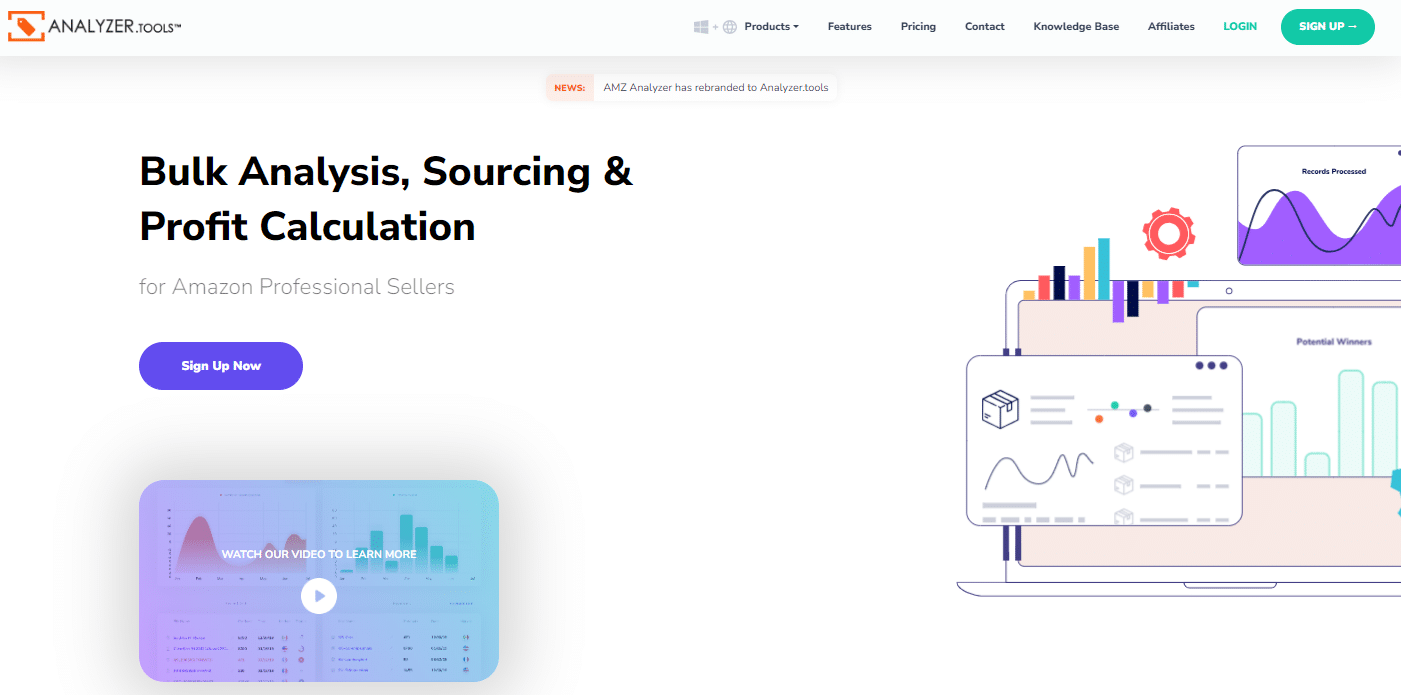
  • Specialized platforms such as stage.analyzer.tools streamline bulk catalog analysis for professional wholesale sellers.
  • Understand current trends, potential pitfalls, and essential resources for building a strategy that scales.
  • Stay informed on evolving challenges with new features, regulations, and best practices in Amazon FBA selling.

In today’s competitive Amazon market, every decision counts. Entrepreneurs, side-hustlers, and well-established brands alike need reliable information to make solid product choices. By reviewing sales estimates, keyword data, and historical trends, you can spot hidden opportunities or quickly discard unpromising ideas.
Below, we’ll break down what product research tools do, why they’re worth your time, and which features matter most.

Why Product Research Tools Matter for Amazon Sellers

Competition on Amazon has soared: there are over three million third-party merchants worldwide, and that number keeps climbing. As a result, many sellers rely on specialized tools to stand out. These platforms are valuable because they incorporate millions of data points—ranging from historical price fluctuations to real-time competitor stats—and transform them into actionable insights.

Some sellers wonder if they can rely solely on Amazon’s own integrated features. While Amazon provides certain metrics like Best Sellers Rank (BSR) and limited keyword insights, these free elements often lack the depth needed for long-term planning. Third-party solutions fill that gap by offering a broader overview of sales trends, potential profit margins, and competitor strategies.

Real-world data backs this up. According to multiple 2025 studies, the use of AI-enhanced product research tools has jumped by 78% compared to 2024, and many sellers claim these platforms pay for themselves within months. For instance, one source reports that 68% of users see enough profit improvements to offset the monthly cost within 90 days [1]. This shift indicates how vital in-depth analytics can be when selecting what to sell.

Key Features to Look For

Different platforms have their specialties, but most Amazon seller tools share common highlights. Below are the core components you should look for when evaluating which software to trust:

1. Sales Estimation and Tracking: Reliable FBA product research hinges on accurate sales data. Tools like Jungle Scout or Helium 10 estimate daily and monthly sales based on proprietary algorithms. AMZScout offers an FBA Calculator that incorporates shipping fees. This data helps you decide if a product has real potential or if its popularity is fading.

2. Profit Calculation: A quality Amazon profit calculator can account for packaging, referral fees, advertising, and more. Sellics and Viral Launch integrate advanced cost measurements so that you’re not caught off guard by hidden expenses. Some even show real-time fee changes when you adjust price or shipping methods.

3. In-Depth Keyword Insights: Effective Amazon keyword research tools dig into both short-tail and long-tail terms, revealing untapped phrases to boost traffic. Helium 10’s Magnet tool or Jungle Scout’s Keyword Scout go beyond basic suggestions, helping your listings rank higher. For even more ways to uncover overlooked search terms, check out these free keyword tools for Amazon sellers.

4. Competitor Analysis: Knowing your rivals helps you refine your approach. Certain platforms track changes in your competitors’ prices, stock levels, and product variations. This data can alert you to emerging opportunities—like a sudden stockout or a sharp price increase.

5. Global Market Coverage: If you plan to launch products in multiple countries, look for software that provides multi-marketplace data. Sellers frequently expand beyond the U.S. Amazon platform to Europe, Canada, and Australia. Comprehensive multi-country insights streamline your rollout strategy.

When it comes to bridging the gap between raw data and final decisions, stage.analyzer.tools is another robust option to investigate. It excels at processing bulk product lists—helping merchants analyze large catalogs without waiting around for manual calculations. This kind of bulk capacity is especially useful if you’re managing hundreds or thousands of product leads at once. For new sellers wanting step-by-step methods, browse resources on finding a profitable FBA product so you don’t end up with dead stock.

Choosing the Right Product Comparison Tools

One often-overlooked factor is the importance of specialized Amazon FBA fee and profit calculators. Accurately projecting costs, taxes, and fees can make or break your bottom line—especially with constant marketplace changes. For sellers who want more sophisticated analysis, explore dedicated Amazon FBA fee calculators that forecast profitability based on your real numbers, not just estimates. These tools are invaluable for comparing multiple products side by side, helping to identify which listings can sustain your margins after all costs are factored in.

Current Trends Shaping Product Research

Every year, e-commerce grows more complex. Every month, new features for Amazon product finder software appear, whether that’s AI-based trend predictions or sustainability metrics for eco-conscious consumers. Sellers need to stay ahead of these shifts to remain relevant.

AI-Driven Insights: By 2025, AI-based research tools can predict trends with 92% accuracy [1]. This technology sifts through social media chatter, economic forecasts, and sales data to spot upcoming product booms before they peak. This predictive edge means you can launch just as consumer demand explodes.

Omnichannel Integration: More sellers list products in multiple spaces, including Walmart or eBay, not just Amazon. A recent study shows that 72% of merchants use at least two platforms [2]. That shift drives demand for integrated research solutions that merge data from multiple channels, giving you a single view of cross-platform performance. For a deeper understanding of market data shifts, see our page on key Amazon statistics and trends.

Focus on Affordability: Research also shows that many sellers balance paid solutions with free apps, especially when trying to keep overhead down. If you’re in this boat, you might explore affordable or no-cost solutions that still provide valuable reports on competition and demand. While these simpler platforms might limit data quantity, they can still help you gain essential insights before you commit to a subscription.

Sustainability Metrics: In the past year, around 67% of merchants considered a product’s environmental footprint when choosing items to sell [7]. Tools that integrate this data can highlight whether a supplier uses eco-friendly materials or if there’s a high carbon cost associated with shipping.

Common Pitfalls in Product Research

While modern analytics can give you a powerful advantage, inaccurate assumptions or overreliance on a single software feature can lead to costly mistakes. Below are some frequent missteps:

1. Blindly Trusting Sales Estimates: Even the best Amazon sales estimator tools are approximations. Algorithmic errors can happen if a product experiences a sudden spike or drop in popularity. Validate your findings by checking related rankings, reading competitor reviews, and analyzing seasonal demand.

2. Ignoring Review Quality: A high sales volume doesn’t mean a product is free of issues. Tools that include sentiment analysis or star rating trends often deliver more accurate predictions. Also, watch for a sudden surge in negative feedback that may signal serious flaws in the item.

3. Over-Spending on Unnecessary Features: Many providers pack loads of bells and whistles into their subscription tiers. If you’re new, consider basic or mid-level plans until you have enough sales volume to justify advanced add-ons. You can often upgrade once you’ve tested the fundamentals.

4. Overlooking Competitor Stock Levels: Eternal best sellers might appear intimidating, but big players can also run out of inventory. A competitor analysis feature that reveals stockouts can show you the perfect moment to boost your listing rank while others are unavailable.

Frequently Asked Questions

What is the biggest benefit of using third-party research tools?

They aggregate extensive data—ranging from sales forecasts to competitor pricing—into one location. This holistic view saves you from juggling spreadsheets and manually tracking multiple product variables. As a result, you can move faster in picking profitable inventory.

Can new sellers afford these platforms?

Absolutely. Many tools have entry-level plans or free versions. Some even offer trial periods, letting you sample features before committing. A mix of free and low-cost apps can help you learn the ropes without exceeding your budget.

Does bulk data analysis apply only to big sellers?

Not necessarily. If you source from wholesalers or you’re exploring various private label options, scanning hundreds or thousands of items can be time-consuming. Bulk-friendly tools like stage.analyzer.tools speed up decision-making no matter what scale you operate on.

How does stage.analyzer.tools differ from traditional Amazon product research platforms?

stage.analyzer.tools is specifically built for bulk analysis, allowing sellers to upload massive supplier lists and instantly scan for profitability, sales demand, and Amazon restrictions. Its features stand apart with deep data filtering and IP alerts, giving wholesale sellers and large operations more control than many standard browser-based apps.

Can small-scale or new sellers benefit from bulk research tools?

Yes! Even if you don’t have thousands of products, using bulk scanning features from stage.analyzer.tools saves time and prevents costly mistakes. Automating your analysis also ensures that growth is possible without needing to reorganize your workflow as your business expands.

What should sellers know about **restricted brands** and IP risks?

When sourcing wholesale, it’s critical to avoid brands that are restricted or may trigger IP complaints. stage.analyzer.tools flags items with known risks so you don’t accidentally list problematic products. You can read more on Amazon restricted brands and what you can and can’t sell.

Are there other tools that complement stage.analyzer.tools for Amazon sellers?

Absolutely. Free and low-cost apps for FBA fee calculation, keyword research, and competitor tracking can complement bulk analysis. For example, explore options in this toolkit for new Amazon sellers.

How are tariffs and changing fees affecting product profitability?

Tariffs, shipping costs, and dynamic Amazon FBA fees can significantly impact your bottom line. Staying on top of these variables helps you evaluate true profits over time. For more on this, check our insights on how tariffs are transforming FBA costs.

Bottom Line

Amazon product research tools are not a luxury—they’re a near necessity in a crowded marketplace. Whether you go with Helium 10, AMZScout, Jungle Scout, or a specialized tool like stage.analyzer.tools, you gain reliable, data-led insights that help you avoid guesswork. If you want to learn how to spot errors before they derail your efforts, have a look at avoiding these errors when starting out so you can refine your approach from the beginning.

Investing in any of these systems requires some research on your end, but the payoff can be enormous when you choose wisely. By looking at real-time metrics, competitor stock movements, and projected expenses, you put yourself in a position to launch or scale your Amazon store with greater confidence.

If you want to accelerate your wholesale sourcing and maximize your profitability, stage.analyzer.tools offers the speed, accuracy, and actionable insights you need. Built for professional Amazon sellers, its bulk spreadsheet scanning, brand IP alerts, and deep-market analysis can help you quickly spot standout products across massive supplier lists. Explore stage.analyzer.tools and see how it can sharpen your product research and sourcing strategy.

References

Jungle Scout. (2025). How to find trending products on Amazon. Retrieved from https://www.junglescout.com/resources/articles/how-to-find-trending-products-on-amazon-in-2025/

AMZScout. (2025). Amazon product research tools statistics. Retrieved from https://amzscout.net/blog/amazon-product-research/

Helium 10. (2024). Data trends for Amazon sellers. Retrieved from https://www.helium10.com/tools/product-research/

LandingCube. (2023). Amazon research tools adoption rates. Retrieved from https://landingcube.com/amazon-product-research-tools/

FlashPricer. (2025). 10 top amazon product research tools for 2025. Retrieved from https://www.flashpricer.com/post/10-top-amazon-product-research-tools-for-2025


Common Mistakes Beginners Make in Amazon Product Research

Amazon product research is a key building block for anyone aiming to succeed in the world of e-commerce. Professionals launching or scaling on Amazon must spot the right products, avoid hidden pitfalls, and sidestep typical mistakes. If you’re worried about falling into traps, check out our guide on the fundamentals of Amazon product research—you’ll learn how easily potential pitfalls can derail profitability.

  • Learn how to avoid critical Amazon product research mistakes that can shrink your margins or stop growth.
  • Get actionable insights to spot market trends, competition factors, and hidden costs affecting product selection.
  • Discover tools and approaches for thorough, data-driven research—including filtering, seasonality, and differentiation.
  • Identify why leveraging technology and verifying profitability are musts for scaling successfully.

Below are ten critical errors to watch for when analyzing data, weighing niche markets, and picking products to sell in 2024. Whether you’re an established seller or preparing a first launch, you’ll find important details in each section that help you make smarter research decisions.

1. Over-Relying on a Single Data Source

Trusting one tool or one metric can cloud your judgment. Some software might excel at approximating sales volume but lag behind when it comes to competition trends. According to DataHawk, the average accuracy of sales estimations improved from 82% to nearly 88% between 2021 and 2023, yet no single platform consistently nails every reading.

Cross-referencing data reduces blind spots. You can compare results from different apps or back them up with organic research, such as reading reviews or scanning bestseller lists. If you prefer in-depth coverage of research fundamentals, explore our detailed guide on Amazon product research to see how multiple metrics form a stronger picture.

2. Neglecting Current Market Trends

A category that flourished last year might slump this year. Shifts in buyer interests, world events, or even social media hype can influence product demand. Advertisers have also changed course: there was a reported 20% rise in TV and radio ads, while some cut back on marketplace ads.

Keep watching broader consumer patterns. Look at trending products on TikTok or the rising popularity of AI-assisted devices to see where demand is heading. Stay alert to proven data around industry growth—online grocery alone is projected to hit $40.5 billion in 2024, which could spark opportunities in food storage or home essentials.

3. Underestimating the Competition

Many sellers fail to analyze rival listings in depth. If you simply glance at top-ranking products, you miss details like brand loyalty, bonus features, or bundling strategies. According to eComEngine’s research, those who do robust competitor studies are 2.7 times more likely to hit profitability in their first year.

Avoid surface-level review. Look at your competitors’ launch histories, pricing tactics, and advertising. Consider reading their product reviews to spot common praises or complaints you can either emulate or improve upon. Thoroughly scoping out competitors can pave the way for a differentiated item that stands out in a busy market.

4. Failing to Budget for Fees and Extra Costs

Hidden fees often catch people off guard. Amazon’s referral charges, FBA storage, returns, and inbound shipping all add up. In 2023 alone, new fees for certain product categories changed the profit landscape several times.

Things like packaging, labeling, or promotional expenses matter as well. Many new sellers realize too late that their margins shrink once the extras pile on. If you want guidance on breaking down potential charges, check out our step-by-step approach to calculating product costs before you commit inventory funds.

5. Overlooking Seasonality

Some items surge during holidays while others thrive in summer. 41% of new sellers, based on a 2023 SellerApp survey, reported losing money by misjudging seasonal order spikes. Ordering too much or too little inventory makes or breaks your bottom line.

Investigate past seasonal data by checking historical BSR (Best Sellers Rank) or scanning search volume trends. Just because something sells well in December doesn’t mean it will do so in April. Align your purchasing decisions with realistic demand forecasts to avoid painful storage fees and expired goods.

6. Not Differentiating the Product

Copycat goods drown in a sea of similar listings. Without distinction, you risk a price war that erodes margins. Reviews that say “it’s the same as everyone else’s” will not do you any favors.

Add unique elements like upgraded features, bonus accessories, or eco-friendly packaging. Reflect on competitor reviews to see how you might address pain points or create a fresh angle. Standing out helps you dodge the race-to-the-bottom trap and hooks loyal buyers.

7. Skimping on Keyword Research

Too many sellers skip thorough keyword analysis and wonder why their products hide on page four. Using only high-volume terms is risky because you miss niche phrases that appeal to specific shoppers. Helium 10 found that listings with well-targeted long-tail keywords often gain 31% more viable product opportunities.

A robust keyword plan should include synonyms, alternate uses, and related topics. Look at competitor keywords or Amazon’s own suggestion engine. When you spot a gap, fill it by optimizing bullet points, titles, and backend fields. Visibility hinges on relevant terms that match real shopper searches. For more strategies, check out this useful guide on back-end keyword optimization on Amazon.

8. Dismissing AI Tools and Technology

Artificial intelligence now plays a growing role in forecasting sales, tracking trends, and refining product listings. According to a 2024 Amazon Seller Report from Jungle Scout, 68% of successful sellers use AI-powered software for better product research outcomes.

Machine-learning algorithms sort through millions of data points faster than any human can. You still need to interpret the information, but ignoring these advancements might lead you to slower decisions and missed opportunities. Combine AI findings with your own expertise for a winning approach.

9. Choosing an Overcrowded Niche

Saturated niches often look tempting because of high search volume. Yet, a jam-packed market can leave you overshadowed by big brand budgets or Amazon’s own labels. If the top listings have thousands of reviews and well-established followings, you’ll have a hard time standing out.

Check competitor count, review depth, and how many sponsored ads appear on the first page. Also see if you can drill down into less served sub-niches. For ideas on finding fresh categories without heavy competition, see our post on identifying profitable niches and cutting potential losses early.

10. Ignoring Long-Term Profit Potential

Short-lived fads can boost initial revenue but fade rapidly. If you want sustainable growth, consider how a product might evolve, spawn variants, or build a loyal customer base. According to SellerEngine, 43% of failed product launches came from overestimating market potential in short-lived crazes.

Project your long-term margins by analyzing trends over 12-24 months. Gauge potential expansions like bundling or product line extensions. By thinking beyond today’s quick wins, you craft a brand that stands strong through shifting consumer habits.

Optimizing for Restricted Brands and Sourcing Efficiency

Before moving forward with any product, it’s critical to know if the brand is restricted for Amazon sellers. Overlooking restricted status can lead to unwanted IP claims or listing takedowns. Utilize tools and resources that monitor and alert you about brands with selling limitations. For more guidance, read this in-depth article on Amazon restricted brands. In addition, sourcing platforms that support bulk scans and advanced filtering can save significant time when screening supplier price lists. This approach keeps your workflow efficient and focused, shifting your attention to high-potential, compliant SKUs.

Wrapping Up

The road to Amazon success is littered with underestimates, half-finished analysis, and snap judgments. Yet small improvements in your research process can produce steady growth and stronger profits. If you’re curious whether seasonal hype or all-year products fit your plan, visit our guide on market trends versus evergreen items to see which path serves you best.

Thorough research, careful budgeting, and real differentiation will separate you from less disciplined competitors. Stay alert to current signals, calculate every fee, and embrace shifting technologies so you can make wiser, data-driven decisions. Your Amazon journey might hold challenges, but it also offers immense returns for those who keep these ten missteps at bay.

Want to make Amazon FBA product research more efficient? stage.analyzer.tools enables you to quickly scan bulk supplier lists for profitable, in-demand products. Its advanced filters, competitive analysis features, and proactive alerts for restricted brands help you source smarter and scale with confidence. Save time and gain deeper marketplace insights by putting this platform to work in your sourcing workflow.

FAQ

How can I recognize and avoid restricted brands on Amazon?
Restricted brands often have selling or listing limitations due to intellectual property or past policy issues. The best way to avoid pitfalls is to use a wholesale product research tool that highlights or warns you about these brands before you source. You can learn more in our restricted brands article.

What data points matter most for bulk product research?
Key data points include historical sales trends, real-time pricing, Amazon FBA fees, estimated sales velocity, and whether Amazon or major brands are already selling the product. Using tools that process and filter large lists gives you an edge in quickly validating profitable SKUs.

How can I reduce errors from only using one research tool?
Cross-reference your findings with multiple apps or supplement automated tools with manual research, such as reading competitor reviews or tracking price and sales charts from different sources. This minimizes blind spots and results in stronger product validation.

Are there ways to improve ROI with better keyword research?
Absolutely. Going beyond high-volume terms and using long-tail keywords can boost product visibility and opportunity. Use both Amazon’s suggestion engine and specialized keyword research tools to find untapped phrases tied to your products.

What are some efficient tools to support new Amazon sellers?
For a breakdown of options designed to streamline research, check our resource on free tools for new Amazon sellers. The right toolbox can cut research time and help you avoid many common mistakes.

References

Jungle Scout. (2024). Amazon seller report. https://www.junglescout.com/resources/reports/amazon-seller-report-2024/

AMZScout. (2023). Amazon product research statistics. https://amzscout.net/blog/amazon-statistics/

5-Step Blueprint for Effective Amazon Product Research

Amazon product research can set the tone for a profitable year if you’re an Amazon seller looking to expand your reach. By using a data-driven approach, you reduce guesswork and find high-demand products that fit your business goals. You can also learn more about Amazon product research to see how it shapes your understanding of the marketplace.

  • Choose the right niche and define product criteria for better results.
  • Analyze market demand and trends before selecting products.
  • Inspect competition to spot weak points and gaps.
  • Validate all financials before launching new products.
  • Keep optimizing with long-term strategies and automated tools.

In 2024, many sellers rely on streamlined processes that help them discover hidden gems more quickly. According to Jungle Scout’s State of the Amazon Seller 2023 report, 89% of active Amazon sellers use specialized tools to pinpoint product ideas before launching [Reference 1]. This increased emphasis on data is no surprise, given that the eMarketer study of 2023 found that 63% of US consumers begin their product searches on Amazon [Reference 2].

The key is to focus on repeatable steps that systematically reveal the right items for your inventory.

Step 1: Determine Your Ideal Niche

Start by identifying a market segment that fits your budget, expertise, and brand vision. Some sellers pick categories aligned with personal interests, while others focus purely on profit margins. Either way, confirm that your chosen niche has enough demand to support consistent monthly sales.

Look at consumer behavior patterns, especially in trending categories such as eco-friendly items or home fitness products. If the niche you’re researching already has a saturated roster of established brands—think carefully about what unique angle you can offer. A straightforward approach is to jot down subcategories that aren’t overcrowded yet show sufficient customer activity.

Step 2: Create Your Product Criteria

After defining a niche, outline the exact features your future product must have. Key metrics typically include a target price range, potential profit margin, and average monthly unit sales. Using established guidelines—like aiming for at least 30% net profit—helps you set financial standards from the beginning.

Specific numbers keep you focused. For instance, you might target products in the $20–$50 range to balance affordability and profitability. Also, consider your shipping and storage expenses if you plan to use Fulfillment by Amazon. For more details on building a clear checklist, explore finding a product to sell on Amazon without relying on guesswork.

Why Use Product Research Tools?

Relying on effective Amazon product research tools can streamline your workflow and improve decision making, especially when dealing with large amounts of data. Tools like stage.analyzer.tools offer deep insights, bulk product scanning, and help you spot profitable trends quickly. This is especially useful if you work with Scan Unlimited alternatives or want to unlock more features for bulk processing. Maximizing the use of research and analysis platforms helps you stay ahead of the competition and adapt to shifts in marketplace trends.

Step 3: Inspect Market Demand and Trends

Analyzing the market is more than scanning Best Seller Ranks. Thorough demand research helps you see seasonal patterns, upcoming fads, or slow-but-steady purchases all year long. Sales data tools and keyword analytics reveal where buyers are spending money.

If a product’s demand spikes only during specific months—like grilling accessories in the summer—plan around these cycles. Also, pay attention to new developments such as AI-driven product categories or creative home décor items. By matching existing demand with new consumer interests, you boost your chance of a bullish start.

Step 4: Examine Competition and Potential Gaps

Before finalizing your product choice, study the existing sellers in your niche. Check their listings, pricing, and reviews to locate weak points. For example, if multiple complaints focus on poor packaging, you can step in with a well-branded alternative.

Assess brand dominance as well. Large players can use deeper marketing budgets to hold onto top rankings. Smaller players might have room for you to stand out, especially if you’re addressing a problem they’ve missed. To discover unique strategies competitors use, see whether Amazon has its own product research tool that might be influencing listings in your chosen category.

Step 5: Validate Financials—and Prepare to Launch

Financial validation is the final checkpoint before you invest time and money. Calculate your total expenses—sourcing, shipping, Amazon fees, and any advertising spend. Subtract those from your estimated selling price to see if you still have a strong profit margin.

When you’re sure numbers look appealing, begin small: order a limited batch of inventory and track how well it sells. If the product moves steadily, plan a larger order for a more ambitious launch. This helps you refine your marketing and avoid overcommitting to a product that might not hold up.

To make financial projections easier, consider using a trusted Amazon FBA fee and profit calculator, which helps estimate margins and keeps your numbers organized as you scale.

Additional Tips for Long-Term Growth

Once you’ve tested a product, consider ways to add new items or expand your brand’s reach. Sellers often use cross-promotions and coupon deals to bring in repeat buyers, especially when the items complement each other. Explore innovations in bundling or subscription models to increase overall sales volume.

You might also research global marketplaces if your product has universal appeal. Investigate shipping logistics and supplier relationships to maintain product quality while boosting your audience. Tools that automate sourcing can relieve some of the day-to-day burden. If you’re ready for that, take a look at Amazon sourcing research tools that simplify supplier hunting and highlight new opportunities.

For sellers dealing with brand limitations, it’s also important to understand Amazon restricted brands—so you avoid costly missteps when sourcing or listing products.

Bottom Line

Moving from concept to stable revenue takes a clear strategy, consistent evaluation, and a willingness to adjust along the way. The five steps above give you a straightforward foundation: niche selection, product criteria, demand checks, competitor analysis, and financial validation.

Keep an eye on evolving customer trends and competitor shifts to avoid surprises mid-launch. When you’re ready to advance your strategy even further, you can explore our comprehensive guide on Amazon product research for more in-depth guidance. Focus on actionable steps, and you’ll be closer to confidently listing profitable products.

If you’re looking to accelerate your sourcing or want reliable insights at scale, try stage.analyzer.tools. With bulk scanning, in-depth analytics, and features tailored for wholesale sellers, it can help you make smarter, faster product decisions without the guesswork.

FAQ

How can product research tools improve my Amazon business?
Using advanced Amazon seller tools for research lets you process bulk data, identify profitable products, monitor trends, and avoid restricted brands. These platforms can save time and minimize risk in decision making.

What’s the benefit of tracking historical sales data?
Historical sales data helps reveal seasonality and emerging trends, supporting smarter sourcing and preventing overstock or missed opportunities.

How should I handle Amazon’s restricted brands during product selection?
Always cross-check any product you plan to list against up-to-date restricted brand lists. This can help protect your account and keep your sourcing efforts focused on viable, profitable inventory. For a detailed overview, check our dedicated resource on this topic within this article.

Are there tools to help with FBA fee calculations?
Yes, using an FBA fee and profit calculator makes it simpler to gauge actual margins before investing in inventory, reducing surprise expenses later.

Where can I learn more about optimizing my competitor research?
Explore resources like competitor tool guides for Amazon, which dive deeper into strategies and available software. For advanced comparison and insights, refer to our article on Jungle Scout vs. Helium vs. stage.analyzer.tools.

References

Jungle Scout. (2023). State of the Amazon Seller 2023 [Report]. Jungle Scout. Retrieved from [URL]

eMarketer. (2023). US e-Commerce Trends 2023 [Report]. eMarketer. Retrieved from [URL]

What Is Amazon Market Research—and Why Does It Matter for FBA Success?

Amazon FBA market research can make all the difference between a struggling store and a thriving one. Whether you’re a new seller or an established entrepreneur, uncovering profitable opportunities on Amazon requires a solid process for spotting trends, evaluating competition, and pinpointing winning products. For a more in-depth look at the basics, check out our step-by-step blueprint for effective Amazon product research, which covers the core principles of analyzing consumer demand and competition.

Why does all of this matter? Amazon’s platform is vast, and it’s crowded with countless offerings. But if you master the art of Amazon product research and employ proven Amazon seller success strategies, you can carve out a profitable niche.

FBA product selection, pricing tactics, and Amazon niche research are part of the process. Let’s walk through how you can build a strong market analysis approach and refine your path to success.

Why Amazon FBA Market Research Matters

When you list items using Fulfillment by Amazon (FBA), you tap into Prime shipping benefits and Amazon’s vast logistics network. According to a 2023 report by Jungle Scout, 89% of Amazon sellers rely on FBA for at least some of their products (Reference 1). This popularity underscores how thorough research can be the key to standing out.

A well-informed strategy goes beyond simply choosing a product. Market research involves examining demand, spotting profit margins, and discovering unique selling points that can drive higher sales velocity. Once you’ve done this, you’ll have a data-backed roadmap for everything from sourcing to advertising.

Essential Steps for a Strong Market Analysis

Building a sturdy foundation for your Amazon business starts with a clear set of research steps. You need to identify a niche, examine the competition, and make data-driven decisions around demand. Below are three core areas to focus on.

Pinpointing Profitable Niches

The first move is uncovering promising categories or subcategories that match your experience and budget. This often involves scanning Amazon’s Best Sellers lists, reading trending news, and using specialized tools. If you want extra guidance, explore some tips for discovering profitable niche ideas that can broaden your perspective on market gaps.

Look for products with demand but not too many competing sellers. Focus on item size, shipping costs, and possible return rates. It’s also wise to consider potential brand building when you pick a category. Target audiences may respond more positively if you deliver consistent quality and a well-defined theme or style.

Evaluating Competition

Studying the rivals in your selected niche can reveal a path to better pricing, more appealing features, or an improved marketing approach. Keep an eye on pricing strategies: some sellers lower their fees aggressively, while others prioritize customer service or bundle deals. DataHawk found that products in the top three search results receive 64% of all clicks (Reference 2), so a strong competitive strategy can help you move further up the page.

Glance at reviews on competitor listings to see what shoppers love and what they dislike. You can also track how often competitors restock or tweak prices—every insight helps you stand out from the crowd.

Checking Sales Trends and Demand

Sales history, Best Sellers Rank (BSR), and search volume for related keywords all have major roles in forecasting future sales. Consistent demand supports long-term stability, while seasonal spikes can lead to bursts of revenue. Either way, the key is finding a balance between popularity and realistic margins.

For more precise fact-checking, use tools that estimate monthly sales or that track historical BSR patterns. This data-driven approach reduces guesswork and helps you avoid overcommitting to products that have a temporary surge or are already outperformed by countless sellers.

Understanding Amazon FBA Costs and Hidden Fees

As you dive deeper into Amazon FBA market research, it’s vital to be aware of all potential costs associated with selling on the platform. While FBA fees and referral fees are common, you should also take into account factors like storage fees and the fluctuating impact of tariffs. Gaining a full picture of your cost structure helps maintain your profit margins in a competitive landscape. Learn how tariffs are transforming Amazon FBA costs to avoid surprises down the line and make smarter sourcing decisions.

Keywords and Listing Optimization

Keywords fuel your listing’s visibility, helping you reach more potential buyers. Helium 10’s data indicates that using long-tail keywords can boost conversion rates by up to 26% (Reference 3). Tapping into less competitive but relevant phrases is often an underrated strategy for driving clicks and sales.

To find high-potential phrases, you can try research platforms or rely on a specialized resource like this Amazon Keyword Tool. Once you identify prime keywords, thread them through your titles and bullet points naturally. Clear descriptions, compelling images, and accurate attributes also improve your chance of converting those clicks into purchases. Proper listing optimization not only boosts ranking but also lifts the overall customer experience.

Sourcing and Cost Considerations

Once you’ve settled on a product segment, your next step is finding a reliable supplier. Procurement impacts everything from per-unit cost to shipping timelines. If you’re uncertain about the process, check out this sourcing and prep guide for ideas on verifying product quality and managing shipping choices.

When calculating expenses, be sure to account for more than the base cost. Include FBA fees, referral fees, and any additional costs like packaging or brand customization. Your profit margin and price point should provide some flexibility for marketing or occasional price adjustments. If your margins are razor-thin, even minor changes in shipping rates or competitor activity can affect profitability.

Analyzing Reviews and Customer Feedback

Customer reviews serve as direct insight into what your market wants. Scan the feedback on your own listings and those of rivals. Pinpoint the consistent praises or complaints—this is your chance to tweak product features, improve packaging, or clarify instructions.

Positive reviews help with social proof, especially when your listing is still building traction. Invest time in responding politely to each comment in a timely manner. Potential buyers often look for how sellers resolve issues, so thoughtful follow-ups can build trust quicker than advertising alone.

Tracking and Adjusting Strategies

Your Amazon business is never static. Even after a successful launch, keep an eye on new keyword trends, competitor activity, and shifts in consumer preferences. This approach helps you spot smaller issues—like creeping storage fees or changes to demand—before they balloon.

For advertising, try short test runs with Amazon Pay-Per-Click (PPC) if your data indicates a solid ROI. You could also explore external marketing such as social media campaigns or influencer partnerships for incremental traffic. As you gather insights, adjust your listing’s content or your overall business model to sustain consistent growth. If you’re interested in useful stats to help guide your next moves, visit the Amazon statistics resource hub for the latest marketplace data.

Wrapping Up

A data-focused approach to Amazon FBA market research sets a sturdy foundation for your entire selling journey. From sizing up the competition to fine-tuning listings and managing reviews, smart decisions come from continuous benchmarking and learning. If you’d like a more detailed breakdown of the steps involved, check out this step-by-step blueprint. With time and persistence, you’ll develop a system that gives you a true advantage in Amazon’s bustling marketplace.

Ready to take your Amazon wholesale sourcing to the next level? Try stage.analyzer.tools—a platform purpose-built for professional sellers who want fast, accurate bulk analysis and actionable insights. Cut through the noise and discover which products are profitable to sell so you can make confident, data-backed decisions as you grow your business.

FAQ

What are the essential steps in Amazon FBA market research?
Begin by identifying potential niches, assessing demand, analyzing competition, and estimating profitability. Use sales data and historical charts to guide your sourcing strategy and reduce risk.

How can I manage costs and maximize margins with Amazon FBA?
In addition to base costs, you should account for FBA fees, referral fees, storage, and any added expenses like packaging or branding. Staying informed about supply chain factors such as tariffs can help protect your profit margins. Check out our guide to FBA cost structure for more insights.

Why is competition analysis important for Amazon sellers?
Analyzing competitors helps you position your products for better visibility, marketing impact, and pricing strategy. Keeping an eye on the Amazon seller success strategies of others can help you move up in search results and attract more clicks.

How do reviews and feedback impact Amazon sales?
Consistent positive reviews serve as social proof and boost trust with potential buyers. Monitoring both your own and competitors’ feedback helps you identify product improvements and respond quickly to customer concerns.

Which tools support bulk product research for Amazon?
Platforms like stage.analyzer.tools speed up the process of scanning supplier price lists and identifying profitable products. They provide valuable data—such as sales estimations and competition analysis—to help you make well-informed business decisions.

References

  1. Jungle Scout. (2023). Amazon seller insights. Retrieved from https://www.junglescout.com
  2. DataHawk. (2023). Amazon SEO report. Retrieved from https://datahawk.co
  3. Helium 10. (2023). Keyword optimization study. Retrieved from https://www.helium10.com

How to Find High-Profit Amazon FBA Niches (and Avoiding Duds)

Amazon FBA niches continue to attract sellers looking for new opportunities in 2024. If you’re an aspiring or experienced entrepreneur aiming to boost your Amazon revenue, you likely want a well-defined product segment with high demand, healthy margins, and a manageable level of competition. Thanks to evolving tools and research methods, finding that sweet spot is more doable than ever.
For an in-depth look at filtering down profitable segments, check out this niche-finding guide.

1. Track Shifting Customer Interests

A solid step is to watch how consumer behavior changes. Emerging trends can be spotted on platforms like social media, Google Trends, and Amazon’s Movers & Shakers. In 2023, searches for eco-friendly products jumped by 69%—indicating that sustainability-focused niches gained notable traction. Keep a close eye on such signals to see where demand is climbing.

When you identify a rising category, evaluate if that demand is temporary or if it points to a long-term shift. This approach can spare you from chasing a fleeting craze that fizzles out before you restock.

2. Pinpoint Ongoing Buyer Problems

Another method is to focus on real pain points that customers repeatedly mention in reviews, forums, or Q&A sections. By targeting repeated complaints in your chosen niche, you can stand out with a product that addresses those needs directly. If you want a more direct approach to uncovering these issues, you can learn how to pinpoint your next winning product through buyer-focused research. Whether it’s upgrading a design or offering easier-to-use packaging, these Quality-of-Life improvements can place you ahead of less agile competitors.

For instance, the health and wellness segment has seen a persistent upswing in specialized supplements and gear catering to younger demographics. You might find success by solving unique challenges—like adaptogenic blends for stress relief—while keeping an eye on trends on social media.

Maximize Product Data and Sourcing Efficiency

Leveraging advanced Amazon FBA research tools can help you uncover strong opportunities faster. Solutions like stage.analyzer.tools provide bulk spreadsheet scanning and in-depth bulk data review, ideal if you’re managing large catalogues or supplier lists. Analyzing up to a million SKUs per hour, these platforms let you validate profit and demand at scale. For further automation, consider pairing your workflow with tools that specialize in bulk ASIN to UPC conversion to streamline your listings and inventory management. Mastering these processes can drive a competitive edge in sourcing and selection.

3. Calculate Potential Margins First

Profit margins remain a key consideration for any FBA venture. The average Amazon seller targets margins of 20–30%, though top performers often aim even higher. Factor in Amazon’s referral fees, FBA fees, sourcing costs, shipping expenses, and overhead such as advertising. Double-check hidden charges like storage during peak seasons or returns processing. Thorough cost analysis prevents surprises down the line.

Once you land on a niche, experiment with different sourcing strategies. Bulk purchasing can lower per-unit costs, but be cautious about tying up too much capital until your research confirms consistent demand.

4. Study Your Competition Thoroughly

Knowing your rivals is essential for making your products stand out. Scan reviews to learn what buyers like or don’t like. Take note of top competitor listing styles, product bundles, price points, and shipping options. Also, see if big sellers dominate or if the field is open for new brands. Since 82% of Amazon sellers who do thorough research become profitable within the first year, consistent competitive analysis can be a huge difference-maker.

Tracking factors like Best Sellers Rank (BSR), star ratings, and promotional activities reveals whether you can outperform or match current offerings. If you see that rivals are slow to innovate, that’s a signal you can capture sales with fresh ideas. For those interested in taking their competitive analysis to the next level, read more in our guide on choosing the right competitor tool.

5. Refine Your Keyword Targets

Many shoppers never go beyond the first page of search results, so targeting the correct search terms can substantially boost visibility. Use relevant phrases and incorporate them into titles, bullet points, and back-end fields. A strong listing text connects your product to real buyers. For more detail on how to focus on the right keywords, explore specialized Amazon keyword tools that analyze search volume, competition, and relevancy.

Include related secondary terms or complementary keywords, too. For instance, a “ceramic travel mug” might also rank for phrases like “spill-proof coffee cup” or “coffee mug with lid,” capturing surges in sales you might otherwise miss.

6. Cater to Sustainability and Ethical Trends

Eco-friendly niches keep climbing, backed by shoppers who care about practical solutions. This approach encompasses items with recyclable packaging or reusables that trim waste. Reusable household goods, bamboo-based kitchen accessories, and biodegradable personal-care products are common examples.

As the eco trend is not showing signs of slowing down, focusing on genuinely “green” offerings can differentiate you. If you choose this path, highlight any positive environmental impacts in your listing details. That can help build brand loyalty among conscious buyers.

7. Leverage AI to Speed Up Research

According to industry data, 37% of Amazon sellers had tried AI-powered product research in 2023, a figure that is poised to grow this year. These tools can filter product listings, estimate competition, and project demand faster than manual methods. Plus, they sift through large data sets—helpful if you plan to test multiple categories.

Keep in mind that AI output still needs human review. No algorithm can replicate your personal sense for the market or original branding ideas. Combine the speed of AI with your own judgment to finalize your niche picks.

8. Balance Seasonal Versus Evergreen Demand

Seasonal items like holiday-themed goods or summer camping gear can pay off, but they carry risk if you overstock and demand drops. By contrast, evergreen products with steady year-round sales tend to be less prone to abrupt dips. If you’re unsure how to separate short-lived fads from long-term winners, analyze historical BSR data or track search patterns over multiple months.

Consider dipping a toe into a niche early by introducing a modest test batch. That way you can confirm demand without risking excess stock. If you see a clear spike, pivot quickly to replenish inventory ahead of key shopping periods.

9. Explore Untapped Global Markets

Amazon’s international marketplaces have expanded significantly. Sellers who spread their listings across North America, Europe, or emerging regions may discover product opportunities with less competition. Bear in mind that different marketplaces have unique regulations, shipping requirements, and consumer preferences.

Before diving in, weigh shipping expenses, local fees, and cultural nuances. Adapting your copy for international audiences is frequently overlooked but can make a huge difference in conversion rates. If the niche is validated in one market, you might replicate that success globally.

10. Validate Before Going Big

Testing a niche with a small order, even if that means higher per-unit costs, remains wise if you’re not entirely confident in a product’s staying power. Keep a close watch on your early buyers—prompt them for reviews or feedback. That feedback loop can confirm whether you’ll be able to stand out or if you should shift strategy before placing a massive order.

This final step protects your budget against tying up capital in a product that may not resonate with customers. A small but well-structured product launch can provide the data you need to measure actual demand and gather insights for your next iteration.

Wrapping Up

There’s no single path to finding top-performing niches on Amazon, but these strategies can put you in a strong position. Scout trends, focus on accurate product data, and keep your competition in view. You’ll also benefit from building your knowledge base so you can refine your approach over time. If you’re looking to gain a deeper understanding of data-driven research, you’ll be able to bridge any gaps in your approach and move forward with greater confidence.

Once you confirm a niche that aligns with your resources and skills, lean into continuous improvement. Analyze your listing performance, pivot if needed, and keep looking for fresh possibilities. This staying power helps you thrive, even as the marketplace transforms in surprising ways.

If you want greater clarity on your Amazon FBA journey, or need a platform to accelerate research and find profitable products faster, consider exploring stage.analyzer.tools. Its bulk scanning, advanced data filters, and market insights can help you cut through the noise and make smarter, faster sourcing choices in 2024.

FAQ

How do I pick a profitable Amazon FBA niche in 2024?
Focus on customer demand, healthy margins, and sustainable trends. Use new research tools and track shifting buyer behavior to avoid saturated or short-lived categories. Start with small test batches and refine based on data from feedback and sales performance.

Why is product data analysis so vital for FBA sellers?
Detailed product data helps you spot both profitable and risky items. Bulk spreadsheet tools allow you to evaluate many products for fees, demand, competition, and possible restrictions, which leads to fewer surprises and a more resilient business model.

What role does AI play in modern product research?
AI-powered tools enable sellers to process larger volumes of product data, spot trends, and project demand far more efficiently. However, pairing these insights with your own judgment is still important for picking a winning niche.

How can I monitor and adapt to pricing shifts, tariffs, and extra costs?
Keep close tabs on Amazon fee changes, shipping rates, global regulations, and newly imposed tariffs. Staying alert to these factors helps you protect your margins and pivot quickly when the cost structure changes. For more insights, refer to our article on how tariffs impact Amazon FBA costs.

Where should I look to spot new or unsaturated FBA markets?
Explore global Amazon marketplaces, plus analyze social media trends, competitor offerings, and untapped keyword opportunities. International expansion often reveals lower competition and unmet needs if you do your research on localization first.

References

1. Jungle Scout. (2024). State of the Amazon seller 2024. Retrieved from https://www.junglescout.com/resources/articles/amazon-statistics-2024/

2. Amazon. (2023). Eco-friendly products growth. Retrieved from https://sell.amazon.com/blog/amazon-stats

Evaluating Your Competition: Identifying Unserved Demand on Amazon

Amazon unserved demand can unlock fresh opportunities for ambitious sellers who want to stand out in a crowded marketplace. If you’re an established e-commerce owner or just starting your journey, digging into unmet customer needs on Amazon can set you apart from competitors. Many new sellers enter the platform daily—approximately 3,700 each day in 2024 [5].
For a closer look at how to spot these gaps, explore our detailed guide on Amazon product research and why it matters.

Why Unserved Demand Matters

Unserved demand refers to product needs that shoppers cannot easily find on the platform. This challenge often arises from inadequate product availability, overlooked niche categories, or missing features in existing listings. By tapping into these underserved areas, you can appeal to buyers seeking specialized solutions.

Third-party sellers account for over 60% of Amazon’s total sales, with U.S.-based sellers averaging 8,600 item sales per minute in 2023 [5]. This intense competition means standard product ideas can quickly become saturated. Identifying hidden opportunities allows you to avoid fierce rivalries and focus on meeting unique requirements that others have missed.

Many successful Amazon sellers say that understanding unserved niches offers a faster route to profitability. Because fewer listings target these demands, your product is more likely to surface at the top of search results—or even achieve the Amazon’s Choice badge. Skipping this process could mean missing out on significant pockets of revenue.

Key Indicators of Hidden Opportunities

Spotting unserved demand on Amazon usually starts with looking for clear signals. Below are core areas to investigate:

  1. Limited Competitor Presence: If only a few sellers appear for certain long-tail keywords, there could be room for new, specialized offerings.
  2. Lackluster Reviews: Common complaints about competitor products often point to features that buyers want but rarely see.
  3. High Search Volume, Low Supply: Research popular search terms that yield sparse product results, suggesting a possible market gap.
  4. Seasonal Trends: Items popular during peak events can still have hidden sub-niches, such as gift bundles or travel kits.

In 2024, 89% of Amazon sellers used AI-driven tools for advanced product research and optimization, up from 62% in 2023 [5]. This jump highlights the growing importance of data analysis for identifying market gaps. Sellers who rely on guesswork can miss out on these insights altogether.

Expanding Your Amazon Toolset to Unearth New Niches

Success in identifying unserved demand often comes down to using the right toolset. Beyond manual research and reviewing reviews, leveraging advanced analysis platforms can streamline your workflow. Platforms like stage.analyzer.tools not only scan supplier price lists for bulk product validation but also provide insights into overlooked market areas. Integrating free keyword research utilities and exploring the best Chrome extensions for Amazon sellers can help you surface emerging trends before they become saturated, helping you stay ahead of the curve. Using tools that combine deep data points and customizable filters allows you to spot market voids with greater accuracy and act quickly on new opportunities.

Conducting Amazon Competitor Analysis

Analyzing competitors is essential to uncover unmet needs. Look at their product listings, bullet points, and even secondary images. Notice if they provide incomplete information or skip crucial specifications. If you find multiple negative reviews mentioning the same shortfall, you have a strong clue about what’s missing.

Pricing also offers hints. When rival sellers keep prices consistently high while sporting mediocre reviews, you might spot a chance to launch a better product at a similar or slightly lower price point. Such strategies can give you an immediate edge.

Another smart approach is to watch competitor ad campaigns. Products often have strong pay-per-click (PPC) visibility but fail to convert if they don’t solve user pain points. If you can deliver exactly what buyers need, you can shift that lost traffic to your own listing.

For more insights on research methods, check out our article on Amazon product research and why it matters. It illustrates how data-driven strategies help pinpoint these gaps faster. For those seeking broader competitor insights, our guide on choosing the right competitor tool covers alternative analysis platforms.

Strategies to Discover Niche Markets

Niche markets on Amazon are specialized corners where a distinct group of buyers look for specific solutions. These smaller categories allow new sellers to target profitable subgroups without battling massive brands. Here’s how to uncover them:

1. Advanced Keyword Research

Begin with Amazon’s autocomplete feature by typing in partial search terms. Observe related searches for unexpected qualifiers buyers use. Then expand your keyword list with third-party tools to explore conversions on long-tail phrases.

Focusing on long-tail keywords can be powerful because they often reflect more precise buyer intent. If the product results are weak for high-value terms, it signals a possible unmet demand.

2. Monitoring Customer Reviews

Read negative and three-star reviews across multiple product pages. Look for repeated suggestions like “It would be better if it had…” or “I wish this were…” This uncovered feedback forms the blueprint for a new or improved product that stands out. A pattern of similar reviews across different listings indicates a broader unserved market need.

3. Exploring Global Markets

Amazon’s global marketplaces differ in maturity. The U.S. platform is highly crowded, but regions like India or Germany might have less competition in certain categories. Shifting your focus to these emerging platforms can open up new sales channels. For example, many private-label electronics thrive in Germany but remain underrepresented in the U.S.

4. Seasonal Insights

Seasonal trends can offer undervalued product opportunities. Instead of only targeting Christmas or summer peaks, look at micro-seasons (such as wedding décor in autumn or fitness gear in mid-spring). You may encounter sub-niches that lack robust listings.

Real Examples of Unserved Demand

Consider a scenario where travelers consistently complain about bulky toiletry sets spilling in transit. You notice repeated comments on various listings mentioning poorly sealed lids, small compartments, or no built-in hooks. That’s a chance to create a travel-friendly set with leak-proof containers, sturdy zippers, and a built-in hanger.

Another example is yoga equipment. High-level enthusiasts might need premium mats with specialized grips for advanced poses, but the top listings aggressively market mass appeal mats. By addressing advanced practitioners specifically—offering heavier density or special traction features—you could fulfill an underserved area.

In each case, the true advantage emerges by tuning into unique problems. When a prevailing brand overlooks certain functionality, a nimble new seller who addresses those gaps can claim a dedicated share of the market.

Fueling Your Growth with Data Analysis

Data is the backbone of success on Amazon. You’ll want metrics such as sales velocity, Best Sellers Rank (BSR) trends, and popular search terms to determine which products are viable. Ongoing analysis helps you pivot quickly if a promotional campaign shows weak returns.

Sales velocity is particularly vital. Listings with higher velocity gain improved search visibility, which helps them sell even more. That cycle often pushes out slow-moving products. Targeting unserved demand positions you for early traction without fighting top sellers directly.

Meanwhile, analyzing competitor BSR over time reveals if their success is stable or seasonal. Spikes followed by drops might indicate a niche prone to fads. Combine these observations with your cost structure and profit margin data to measure the long-term potential of a prospective product.

For anyone who needs step-by-step guidance on finding a new product, check out our piece on how to find a product to sell on Amazon without guesswork. This breaks down each decision point, including cost analysis and listing optimization. You may also want to review the latest Amazon marketplace statistics to better understand platform trends and sales opportunities.

Enhancing Your Listings to Outperform Competitors

Once you identify unserved demand, your listing must demonstrate value quickly. Many shoppers scan only the title, top bullet points, and initial images before deciding whether to read more.

Craft a benefit-driven title. Mention highlights that speak directly to a specific issue, such as “Leak-Proof Travel Bottles” or “Advanced-Grip Yoga Mat.” Use bullet points to clarify how your product solves these problems.

High-quality images are indispensable. Show the product in various angles, plus in-use images that illustrate your unique improvements. If your item targets advanced-level buyers, consider adding a “zoom-in” on specialized features. Back-end keywords also matter; incorporate relevant terms so your product surfaces for those searching specialized phrases.

Leveraging Advertising Wisely

Amazon ads are competitive, reflecting the platform’s massive growth in advertising revenue—up 22% year-over-year to $11.6 billion in Q4 2024 [1]. Tighter ad spaces and increasing costs mean you must target keywords with precision. Look for overlooked, more specialized terms to control costs and drive laser-focused traffic.

Sponsored Products ads often help you move up in rankings for specific high-intent searches. Grab attention with clear imagery and concise copy that highlights your product’s unique benefit. Supplement these efforts with Sponsored Brands if you have multiple SKUs. This approach can amplify brand visibility and drive cross-selling.

One caveat: Do not rely solely on Amazon ads. Some categories have skyrocketing PPC bids. If your margin is thin, explore alternative approaches like influencer partnerships or external blog posts. High-quality, targeted traffic from external sources can help you rank without burning through your ad budget.

Staying Ahead of Seasonal and Trend Shifts

Amazon market trends shift frequently. Pay attention to new categories that spark user interest. If you notice mainstream publications featuring a product type that’s underrepresented on Amazon, it could be your next opportunity.

Track your existing listings for off-season dips. Yoga gear might peak in January, whereas travel essentials see summer spikes. Offering a variant targeted for year-round use—like a dual-purpose sports mat—can reduce the seasonality problem and keep revenue steadier.

Being proactive about upcoming events or micro-holidays also pays off. Some sub-niches flourish when they align with lesser-known celebrations. Winning those smaller spikes can establish ranking gains that carry over into more competitive seasons.

Subtracting Risk with Continual Testing

Before investing heavily, perform small-batch tests. Launch a reduced quantity to gauge interest, using short PPC campaigns. If you see slow sales or negative feedback, refine your approach. Adjusting early prevents waste on large inventories that may not move.

For instance, if your advanced yoga mat sees steady demand but repeated mentions of “slightly heavier than expected,” you might revise materials before placing your final bulk order. Being flexible keeps you aligned with real buyer expectations.

Surveys and poll-based feedback can also validate your concept. Platforms that recruit dedicated Amazon shoppers help you test product names, packaging, and price points prior to full-scale production. This data can safeguard you from high-cost mistakes.

Building Your Competitive Advantage

Uncovering hidden opportunities on Amazon is only step one. Retaining your edge involves continuous optimization and proactive customer engagement. Encourage your buyers to leave detailed reviews, and always revisit your listing copy to reflect the latest feedback.

If you observe new sellers attempting to replicate your successful approach, refine or expand. Perhaps introduce a premium version or complementary accessory. Continuously highlight what sets you apart—unique features, top-tier customer support, or eco-friendly packaging.

Some veteran sellers choose to branch out with brand storytelling in images and A+ Content. Show how your product was created to fill the gap discovered during research. This story-based approach can resonate emotionally and sustain loyalty even if competitors crop up.

Key Takeaway

Filling unserved demand on Amazon is one of the most rewarding strategies for standing out among ever-growing competition. By spotting product gaps, analyzing data carefully, and optimizing your listings around unique benefits, you can capture underserved customer segments and grow sales faster. Ready to move forward? Learn how to get a product on Amazon with a practical focus on sourcing and packaging that fits these newly discovered opportunities.

If your team is looking to accelerate product research and source smarter, consider exploring stage.analyzer.tools. This platform was built specifically for wholesale Amazon sellers who value speed, market data depth, and the ability to validate thousands of products at once. stage.analyzer.tools can help you quickly pinpoint high-potential products, avoid listing violations, and gain the competitive insight you need to stay ahead.

FAQ

How do I identify unserved demand on Amazon?
Look for key indicators such as limited competitor presence, lackluster reviews referencing missing features, and high-search-volume keywords with few listings. Advanced product research tools like stage.analyzer.tools can streamline the process by providing actionable data and highlighting potential market gaps.

What are the advantages of targeting unserved demand?
Products that address unserved demand face less competition and are more likely to rank high in search results. This makes it easier to gain early traction and establish a foothold before markets become saturated. It also allows you to focus on unique customer needs rather than competing solely on price.

Can specialized product research tools help me discover unique niches?
Absolutely. Tools that perform a bulk wholesale spreadsheet scan or analyze historical price and sales data can highlight lucrative opportunities much faster than manual research. This is especially important for sellers working with large catalogs or exploring new sourcing strategies.

Is it riskier to enter a niche with less competition?
Not necessarily. While less competition often signals opportunity, initial demand validation is key. Launching small batches and collecting customer feedback will help reduce risk before scaling up. Continual testing and analysis—backed by platforms like stage.analyzer.tools—support informed decisions.

How can I stay competitive after launching a successful product in an unserved niche?
Continue to optimize your listing, seek feedback through reviews, and watch for competitor responses. Consider product enhancements or adding complementary accessories to your lineup. Staying responsive keeps your brand relevant as the niche grows.

References

GeekWire. (2025). Amazon earnings preview: AWS cloud growth, AI demand, trade wars among key issues. Retrieved from [Link Redacted]

NorthOne. (2024). Amazon statistics. Retrieved from [Link Redacted]

RealDigital. (2025). Items to sell on Amazon in 2025. Retrieved from [Link Redacted]

How to Sell Wholesale Products on Amazon in 2025 (Full Guide)

Are you looking to start or scale an eCommerce business? Selling wholesale products on Amazon using Fulfillment by Amazon (FBA) presents an excellent opportunity for those seeking a reliable and scalable income stream. Whether you’re searching for a side hustle or looking to build a full-fledged business, leveraging Amazon’s infrastructure can help you succeed with minimal logistical hassle.

  • Amazon Wholesale FBA lets you sell branded products without building your own label.
  • Data-driven tools streamline bulk product research and sourcing for efficiency.
  • Profitability depends on picking in-demand, low-competition products and reliable wholesale suppliers.
  • Successful sellers analyze competition, avoid restricted brands, and use bulk analysis software.
  • Platform features like brand IP alerts, sales history, and detailed product metrics help minimize risk.

Selling wholesale on Amazon can be a scalable and profitable business model, especially when combined with the right tools to streamline sourcing, pricing, and inventory management. 15 Best Amazon Seller Tools for FBA in 2025 can help you maximize efficiency and profitability.

This guide will cover selling strategies, the advantages of Amazon Wholesale FBA, comparisons with other business models, and tips to help you source profitable wholesale products effectively.

What is Amazon Wholesale FBA?

Amazon Wholesale FBA involves purchasing branded products in bulk from distributors, suppliers, or manufacturers and reselling them as individual units at a profit. Unlike private labeling, wholesale selling eliminates the need to develop your own brand, making it a faster and less risky way to scale an Amazon business.

The Fulfillment by Amazon (FBA) model takes care of storage, packaging, and shipping, allowing sellers to focus on sourcing and scaling operations. Traditional wholesale businesses require renting warehouses and hiring staff to handle logistics, but Amazon FBA reduces upfront costs and operational headaches by shifting fulfillment responsibilities to Amazon.

Wholesale vs. Other Business Models

To make an informed decision, it’s essential to compare Amazon wholesale with other common selling strategies.

Wholesale vs. Retail Arbitrage

Retail arbitrage involves buying discounted products from retail stores and reselling them on Amazon at a higher price. While this method has a low barrier to entry, it requires continuous effort to source inventory manually.

Pros:

  • Low startup costs
  • Ideal for beginners
  • No minimum order quantities

Cons:

  • Time-consuming and hard to scale
  • Requires constant product hunting
  • High competition and risk of price fluctuations

Wholesale vs. Online Arbitrage

Online arbitrage follows the same concept as retail arbitrage but sources products from online retailers instead of physical stores.

Pros:

  • Work-from-home flexibility
  • Access to thousands of online stores

Cons:

  • Intense competition due to widely available deals
  • Difficulty in restocking the same profitable products

Related: 15 Best Amazon Seller Tools for FBA in 2025

Wholesale vs. Private Label

Private label selling involves creating your own brand by sourcing generic products from manufacturers and adding unique branding and packaging.

Pros:

  • Full control over branding and pricing
  • No competition on your listing
  • Potential for long-term brand growth

Cons:

  • High startup costs ($10k+ recommended)
  • Requires marketing investment
  • No guaranteed demand

Wholesale vs. Dropshipping

Dropshipping allows sellers to sell products without holding inventory, where suppliers ship items directly to customers.

Pros:

  • No inventory storage or handling required
  • Minimal upfront costs

Cons:

  • High risk of account suspension (violates Amazon’s policies if not done correctly)
  • No control over fulfillment speed and product quality
  • Limited profit margins

Selling Wholesale on Amazon

The wholesale business model combines the scalability of private label with the low risk of arbitrage. Instead of constantly hunting for deals, you can reorder profitable products in bulk, ensuring a stable and scalable income stream.

With wholesale selling, you can analyze past performance data to minimize risks. Using tools like stage.analyzer.tools, sellers can quickly assess sales trends, pricing history, competition, and profit margins before making a purchasing decision.

How stage.analyzer.tools Supports Large-Scale Amazon Wholesale Operations

Managing wholesale catalogs with thousands of SKUs can overwhelm even experienced Amazon sellers. stage.analyzer.tools stands out by scanning price lists in bulk and delivering instant profit calculations, sales history, competitive analysis, and even alternative feature comparisons with other tools. Features like deep scans, bulk data import, and customizable filters offer the flexibility and control needed for professional sourcing at scale. This is especially valuable for avoiding restricted brands on Amazon or quickly building a shortlist of the most profitable products. If you regularly deal with large supplier price sheets, stage.analyzer.tools dramatically cuts research time and improves your sourcing accuracy.

Steps to Start Selling Wholesale on Amazon

  1. Create an Amazon Seller account
  2. Find profitable wholesale products using data-driven sourcing tools
  3. Contact suppliers and open wholesale accounts
  4. Order and ship inventory to Amazon’s FBA warehouse
  5. Let Amazon handle fulfillment while you collect profits!

Best Wholesale Products to Sell on Amazon

Choosing the right products is critical to success. The goal is to find products with high demand and low competition. Instead of guessing, use bulk analysis software to filter through supplier catalogs and identify hidden gems quickly.

What to Look for in a Profitable Wholesale Product:

  • Consistent sales history – Avoid seasonal products unless planned strategically.
  • Lightweight and small – Lower shipping costs increase profitability.
  • No Amazon competition – Avoid listings where Amazon is a seller, as they dominate the BuyBox. For more information on identifying when Amazon is competing, see Amazon Restricted Brands: What You Can and Can’t Sell.
  • Healthy profit margins – Ensure profitable after all fees. To help with this, check out our Amazon FBA Fee and Profit Calculator to quickly run the numbers before you make an order.

Tips for Selling Wholesale on Amazon

  • Check if Amazon is a competing seller – Amazon prioritizes its own inventory in the BuyBox. Avoid products where Amazon holds significant stock.
  • Use competitive pricing strategies – Instead of undercutting competitors, price competitively while maintaining healthy margins.
  • Stick to smaller, lightweight products – This reduces FBA storage fees and shipping costs, maximizing profit margins.
  • Factor in all Amazon fees – Use a profit calculator like stage.analyzer.tools to ensure profitability before purchasing.
  • Avoid “Amazon supplier directories” – The best suppliers are not publicly listed; find them through trade shows, industry contacts, or direct outreach.
  • Follow Amazon’s Terms of Service – Failure to comply can result in account suspension. For more on staying compliant as a new seller, review the best free Amazon seller tools available.

Finding Wholesale Suppliers

1. Use Wholesale Trade Shows

Industry trade shows like ASD MarketWeek feature top suppliers. Even if you can’t attend in person, exhibitor lists can be valuable for supplier outreach.

2. Source by Competing Seller Storefronts

Use stage.analyzer.tools’ Storefront Search to analyze competitors’ inventory and identify brands they source from. Then, contact these brands to open wholesale accounts.

3. Reverse Sourcing on Amazon

Instead of searching for suppliers first, identify low-competition profitable products on Amazon, then trace them back to the manufacturers.

4. Subscribe to Trade Publications

Industry magazines and wholesale directories provide insight into upcoming trends and supplier contacts. You can supplement this with powerful Amazon product research tools to spot opportunities faster.

Final Thoughts

Selling wholesale products on Amazon via FBA is a scalable, low-risk business model that offers long-term growth opportunities. Unlike arbitrage, it allows repeatable product sourcing, and compared to private label, it involves less upfront investment and risk.

To succeed, data-driven decision-making is key. Use powerful analytics tools like stage.analyzer.tools to quickly assess wholesale catalogs and make profitable sourcing decisions. By leveraging Amazon FBA’s logistics, focusing on high-demand, low-competition products, and working with reliable suppliers, you can build a profitable and sustainable business on the world’s largest eCommerce platform.

Ready to level up your Amazon wholesale business? Try stage.analyzer.tools for a smarter, faster approach to bulk product research and supplier catalog analysis. Its data-rich platform is purpose-built to help Amazon sellers find the right products faster and minimize risk—so you can focus on growth, not guesswork.

FAQ

How do I know if a wholesale product is allowed or restricted on Amazon?
Before purchasing inventory, always check for Amazon restricted brands and categories. stage.analyzer.tools has integrated alerts for known restricted brands to help you avoid compliance issues and protect your seller account.

What are the main benefits of using stage.analyzer.tools for wholesale Amazon sourcing?
stage.analyzer.tools is designed for high-volume sellers who want to quickly scan, analyze, and filter large supplier lists for the best opportunities. Its bulk spreadsheet scan, historical price charts, and brand IP alerts save time and help you confidently choose profitable products.

How does wholesale compare to retail and online arbitrage?
Wholesale is more scalable and less labor-intensive over time, since you can reorder from distributors rather than constantly search for deals. With the right FBA software and proper sourcing strategy, wholesale offers a stable, repeatable income stream and fewer logistical headaches than retail arbitrage.

Can stage.analyzer.tools help with bulk converting product codes like ASIN to UPC or EAN?
Yes, stage.analyzer.tools integrates seamlessly with bulk data workflows and works alongside utilities such as ASIN to UPC/EAN converter tools when you need to match supplier lists to Amazon catalog data efficiently.

15 Best Amazon Seller Tools for FBA in 2025

Amazon sellers operate in an increasingly competitive market. To get ahead, leveraging powerful seller tools isn’t optional—it’s essential. This guide details the 15 best Amazon seller tools, their benefits, pros and cons, comparisons, and essential insights. Additionally, you’ll learn how to choose the right tool for your business no matter what stage you’re at.

How to Choose the Best Amazon Seller Tool

  • Identify specific needs: Wholesale, arbitrage, advertising, or private labeling.
  • Consider business scale: Tools should accommodate business growth.
  • Budget wisely: Balance cost against functionality.
  • Ease of Use: Match tool complexity with your experience.
  • Support quality: Tools should offer robust support and resources.

Comparison: Top Amazon Seller Tools

ToolPrimary UsePricingEase of UseAnalytics DepthBest For
Analyzer ToolsWholesale AnalyticsAffordableEasyHighBulk Wholesale Sellers
KeepaPrice TrackingAffordableModerateHighHistorical Price Checks
Viral LaunchMarket IntelligencePremiumModerateHighProduct Launches
SellerAmp SASArbitrage AnalysisModerateEasyModerateRetail Arbitrage
Inventory LabInventory ManagementModerateEasyHighLarge Inventories
Jungle ScoutProduct ResearchPremiumEasyHighProduct Research
SellerAppPPC ManagementPremiumModerateHighAdvertising & Analytics
Helium 10Comprehensive SuitePremiumModerateHighComprehensive Analytics
Seller SnapAutomated RepricingPremiumEasyHighCompetitive Niches
SmartScoutCategory ResearchPremiumEasyHighMarket Research
FeedbackWhizFeedback ManagementModerateEasyModerateReputation Management
PerpetuaAdvertising ManagementPremiumModerateHighAd Campaign Optimization
AMZScoutCompetitor AnalysisAffordableEasyModerateBeginners
TeikametricsAdvertising AnalyticsPremiumModerateHighROI-focused Advertising
PixelfyURL ManagementAffordableEasyModerateMarketing & Tracking

1. Analyzer Tools

stage.analyzer.tools is a leading wholesale analytics platform designed specifically for bulk product analysis and intelligent sourcing.

15 Best Amazon Seller Tools For 2023

With unmatched speed (up to 1,000,000 products per hour), stage.analyzer.tools provides sellers with rapid insights, detailed historical sales data, and real-time IP alerts. Its intuitive and customizable grid view makes navigating large datasets seamless, significantly reducing time and effort during product selection.

  • Benefits: Increased profitability, significant time savings, superior competitive insights.
  • Pros: Fast and efficient processing, comprehensive analytics, affordable pricing structure.

Read more: Amazon Product Research: What It Is and Why It Matters

2. Keepa

Keepa excels at providing historical pricing and sales data crucial for making informed sourcing decisions. Sellers rely on Keepa’s easy-to-read graphs that clearly visualize market trends and pricing fluctuations over time, aiding strategic pricing and inventory management decisions.

  • Benefits: Reliable historical trend analysis, reduced risk in sourcing decisions.
  • Pros: Extensive and detailed historical data, straightforward visualization.
  • Cons: Potentially overwhelming interface for beginners.

For additional support when reviewing price history and brand restrictions, you can also refer to our guide on Amazon restricted brands.

3. Viral Launch

Viral Launch provides powerful tools for product discovery, market analysis, and listing optimization. Known for its accurate keyword recommendations and market intelligence, Viral Launch helps products gain maximum visibility and competitiveness from the start.

  • Benefits: Effective product launches, improved market penetration.
  • Pros: Strong analytics, effective keyword and optimization tools.
  • Cons: Higher cost may not suit smaller budgets.

If you’re a new seller, you may also benefit from our curated list of the best free tools for new Amazon sellers to jumpstart your journey on Amazon.

4. SellerAmp SAS

SellerAmp SAS is an invaluable tool for retail and online arbitrage sellers, offering immediate insights into profitability directly within browser windows or through its mobile app. SellerAmp’s quick, at-a-glance data helps sellers make confident, timely sourcing decisions.

  • Benefits: Real-time profitability, efficient sourcing decisions.
  • Pros: Mobile-friendly, user-friendly interface.
  • Cons: Limited capability for bulk analysis.

Managing product identifiers for arbitrage? Try our free ASIN to UPC/EAN converter for fast lookup and conversion needs.

5. Inventory Lab

Inventory Lab significantly streamlines the complexities of inventory management, financial tracking, and product listings, making it ideal for sellers managing large product catalogs. Its efficient barcode scanning integration accelerates the listing and inventory process.

  • Benefits: Accurate inventory management, streamlined financial tracking.
  • Pros: Easy integration, comprehensive reporting.
  • Cons: Less practical for small inventories.

6. Jungle Scout

Jungle Scout is highly recognized for robust product research and supplier verification. Sellers utilize its extensive database for reliable product trend forecasts, identifying profitable niches, and gaining supplier trustworthiness.

  • Benefits: Effective niche discovery, supplier reliability.
  • Pros: User-friendly, powerful analytics.
  • Cons: Relatively expensive subscription.

Discover more: Top Jungle Scout Alternatives

7. SellerApp

SellerApp integrates deep analytics with PPC campaign management, helping sellers optimize advertising spending and gain actionable market insights. It focuses on enhancing profitability through strategic marketing and optimization.

  • Benefits: Maximized advertising ROI, targeted market analytics.
  • Pros: Strong PPC functionality, detailed performance metrics.
  • Cons: Requires dedicated learning.

8. Helium 10

Helium 10 offers a broad suite of powerful tools for keyword research, product optimization, and profitability tracking. Its comprehensive toolset makes it versatile enough for all types of Amazon sellers, from beginners to established brands.

  • Benefits: Diverse solutions, broad applicability.
  • Pros: Comprehensive suite, scalability.
  • Cons: Complexity for newcomers.

For additional strategies on powering up your keyword research, refer to our article on free keyword tools for Amazon listings.

9. Seller Snap

Seller Snap offers AI-driven pricing optimization, automating price adjustments to maintain competitiveness without sacrificing profit margins. It’s highly effective for sellers in competitive niches requiring real-time repricing.

  • Benefits: Improved profitability, reduced manual effort.
  • Pros: Exceptional AI-driven automation.
  • Cons: Premium pricing.

10. SmartScout

SmartScout provides a powerful way to explore Amazon’s marketplace through brand, seller, and product intelligence. Its visual “seller map” and category explorer reveal how brands compete, what products drive traffic, and where new opportunities exist. It’s especially useful for wholesale and agency sellers looking to analyze competitors and uncover hidden product gaps.

  • Benefits: Unique insights into market share, brand reach, and cross-seller relationships.
  • Pros: Unique seller and brand mapping, high data accuracy, and intuitive navigation.
  • Cons: Wholesale plan has limited scan volume; some advanced analytics require higher-tier subscriptions.

11. FeedbackWhiz

FeedbackWhiz streamlines customer feedback management, automating the collection of reviews to improve brand reputation and foster customer loyalty. It simplifies feedback monitoring and timely responses.

  • Benefits: Stronger brand trust, efficient feedback management.
  • Pros: Automated review generation and response tools.
  • Cons: Specialized solely in feedback management.

12. Perpetua

Perpetua effectively manages Amazon advertising through AI-driven analytics, optimizing ad campaigns for maximum return on investment. Ideal for sellers looking to improve campaign effectiveness significantly.

  • Benefits: Optimized ad performance, higher profitability.
  • Pros: Excellent ad management, powerful analytics.
  • Cons: May require learning for maximum benefit.

13. AMZScout

AMZScout offers accessible, intuitive tools for product research and competitor analysis. Its simplicity makes it an excellent starting point for new sellers or smaller-scale Amazon businesses.

  • Benefits: Accessible market research, intuitive use.
  • Pros: Beginner-friendly design.
  • Cons: Limited advanced options.

Explore further: AMZScout vs. stage.analyzer.tools

Doing Bulk Amazon Product Research Faster

Speed is essential for wholesale and arbitrage sellers dealing with extensive supplier catalogs. Not every software is purpose-built for quick, accurate Amazon bulk analysis. Advanced tools like stage.analyzer.tools allow you to upload, scan, and filter massive product lists at scale, helping you uncover profitable items faster than manual checks or lighter browser extensions. If you’re still relying on slow, manual spreadsheets for FBA profitability, consider exploring purpose-built bulk Amazon product research tools to maximize your efficiency and minimize sourcing errors.

How to Choose the Best Amazon Seller Tool

When selecting the best Amazon seller tool, it’s essential to first identify your specific business needs, whether that’s wholesale, arbitrage, advertising, or private labeling. Additionally, consider the scale of your business and choose tools that can support your growth over time.

Budget wisely by balancing cost against the functionality and value each tool offers. Also, match the complexity of the tool to your experience level to avoid unnecessary frustration or learning curves. Finally, ensure that the tool you choose provides robust support, training, and resources to help you maximize its capabilities.

Tips for Integrating Multiple Amazon Seller Tools

To maximize the efficiency of your Amazon business, integrating multiple seller tools effectively is crucial. Here are some strategies to make the most out of your tools without redundancy or unnecessary expenses:

  1. Define Your Primary Needs – Before subscribing to multiple tools, outline your core requirements, such as product research, keyword optimization, repricing, or inventory management. Choose tools that excel in these areas instead of overlapping functionalities.
  2. Use a Combination of Free and Paid Tools – Some free tools provide valuable insights, such as Amazon’s own Seller Central analytics. Complement these with paid tools for more in-depth analysis and automation. Check out Top Free Amazon Product Research Tools to see which ones can supplement your strategy.
  3. Avoid Redundancy – Many seller tools offer similar features. Compare capabilities before committing to multiple subscriptions to ensure you’re not paying for the same functions across different platforms.
  4. Leverage API Integrations – Some advanced tools, such as Helium 10 and SellerApp, integrate with other platforms to automate workflows. If you’re scaling, prioritize tools that offer API access or seamless connections with your existing tech stack.
  5. Schedule Regular Data Reviews – Ensure that the insights from each tool are being utilized effectively. If a tool isn’t providing actionable insights, reconsider its necessity.
  6. Prioritize Ease of Use & Support – While feature-rich tools can be tempting, they can also be complex. Select tools that offer robust support, training, and an intuitive user interface.

Frequently Asked Questions (FAQs)

What are Amazon Seller Tools?

Amazon seller tools are third-party applications designed to assist with tasks like product research, inventory management, pricing optimization, advertising, and review generation. These tools help sellers streamline operations and maximize profitability.

Do I need to use seller tools to succeed on Amazon?

While you can sell on Amazon without third-party tools, leveraging them can significantly improve efficiency, save time, and provide insights that enhance decision-making.

What is the best Amazon seller tool for beginners?

Beginners should start with tools that offer free or budget-friendly options, such as Keepa for price tracking and AMZScout for basic product research. As your business grows, you can integrate more advanced tools like stage.analyzer.tools or Helium 10.

What’s the difference between free and paid Amazon tools?

Free tools typically offer limited functionality, while paid tools provide more in-depth data, automation, and scalability. Some freemium tools allow users to access essential features but require a subscription for full capabilities.

How do I choose the best seller tool for my business?

Consider your business model (wholesale, private label, arbitrage), budget, and required features. Tools like stage.analyzer.tools are ideal for wholesale sellers, while Viral Launch and Jungle Scout are best for private-label sellers.

Can I use multiple seller tools together?

Yes, many sellers use a combination of tools for different aspects of their business. For example, stage.analyzer.tools for bulk product analysis, Keepa for price history tracking, and SellerAmp for quick profitability insights.

Which Amazon tool is best for keyword research?

Helium 10 and SellerApp provide comprehensive keyword research and optimization features to improve product visibility on Amazon.

Final Thoughts

Choosing the right Amazon seller tools can be the difference between struggling to keep up and dominating your niche. The right tools not only streamline your workflow but also provide critical insights that drive profitability, efficiency, and long-term growth. Whether you’re a wholesale seller, private label brand, or retail arbitrage expert, investing in tools that enhance market research, pricing strategies, and operational efficiency will give you a competitive edge in 2025 and beyond.

Instead of subscribing to multiple tools blindly, focus on solutions that save time, reduce risk, and provide actionable data. A tool like stage.analyzer.tools can help wholesale sellers analyze bulk product lists at unmatched speeds, while platforms like Helium 10 and Jungle Scout cater to private label sellers looking for keyword research and listing optimization.

If you’re looking to maximize your productivity and source profitable products faster, try stage.analyzer.tools—the preferred research platform for professional Amazon sellers. Upload bulk price lists, get rapid profit insights, and leverage marketplace data that helps you stay ahead of trends and risk. Explore the tool and see how it can be a game-changer for your Amazon wholesale strategy.

Amazon Small and Light is Changing to Low-Price FBA: What You Need to Know

How to Adapt to Amazon’s Low-Price FBA Program: A Guide for Sellers

Amazon announced it will replace its Small and Light FBA program with a new Low-Price FBA program in all regions. This change will affect sellers who offer low-cost products that meet certain weight and size requirements. In this article, we will explain what the Low-Price FBA program is, how it differs from the Small and Light program, and what are the pros and cons of this change for sellers.

What is Low-Price FBA and how is it different from Small and Light?

Low-Price FBA is a new fulfillment option that offers reduced FBA fees for ASINs priced under a certain threshold. The price threshold varies by marketplace, see Fact list below. Unlike Small and Light, which had a separate fulfillment network and slower shipping speeds, Low-Price FBA will use the same fulfillment centers and offer the same fast delivery as standard FBA. This means that your low-priced products will be eligible for Prime benefits and faster  shipping for all customers.

To qualify for Low-Price FBA your products simply needs to price under the threshold and be eligible for FBA. Amazon will automatically apply Low-Price FBA rates. No action is required!

What are the pros and cons of Low-Price FBA?

The main advantage of Low-Price FBA is that it can help you improve your margins and competitiveness on low-cost products. By offering faster and free shipping to your customers, you can increase your sales and conversions. You can also save on fulfillment costs, as Low-Price FBA fees are lower than standard FBA fees.

For example, according to Amazon’s fee chart comparison below, Low-Price FBA rates have significantly reduced fulfillment fees when compared to Standard FBA with a $0.77 savings across the board

When comparing to Small and Light, the biggest advantage to Low-Price FBA is the automatic enrollment for eligible products. No more product by product enrollment which was necessary with Small and Light!

The main drawback of Low-Price FBA vs Small and Light is the price threshold for eligibility is $2 lower for the US marketplace vs Small & Light. Further, the fulfillment discount is lower, on average, which means certain products that were enrolled in Small and Light will will see increase in fulfillment cost.

Low-Price FBA Fact List

  • Small and Light (S&L) FBA Fulfillment discount program is being replaced by Low-Price FBA
  • Small and Light rates continue to apply until the program expires on August 29, 2023 in US and September 26, 2023 for EU marketplaces.
  • Enrollment of new Small and Light ends after July 17th, 2023 in US and September 14, 2023 for EU.
  • Low-Price FBA applies automatically for all items priced below:
    • $10 in US (reduction from $12 vs. S&L)
    • £10 in the UK*,
    • €11 in Germany*,
    • €12 in France, Italy, Spain and the Netherlands*,
    • SEK 140 in Sweden*,
    • PLN 55 in Poland*.

*EU Price thresholds shown including VAT and remain unchanged vs S&L.

  • Small and Light used slower shipping speeds than standard FBA and Low-Price FBA will ship at standard (faster) FBA speeds
  • Low-Price FBA eligibility is automatic & rates & won’t be subject to 2023 holiday peak fulfillment fees (October 15, 2023, through January 14, 2024).
  • Low-Price FBA rates will be an average of $0.77 lower per item than the current FBA rates for these products in the US.
  • If your products were enrolled in Small and Light and are priced below $10, this change will mean that you will pay about $0.22 more per item than with Small and Light, but your items will now ship with the faster FBA fulfillment speeds.
  • If your products were not enrolled in Small and Light and are priced below $10, this change will mean that you will pay about $0.77 less per item while continuing to enjoy the fast FBA fulfillment speeds you have been receiving.

Compare Low-Price vs Small & Light vs Standard FBA Fees

How do Low-Price FBA fees compare to the previous Small & Light program. How do Low-Price FBA fees compare to standard FBA fulfillment?

United States (US) FBA Fee comparison

In the US marketplace, Low-Price FBA rates have significantly reduced fulfillment fees when compared to Standard FBA with a $0.77 savings across the board. When comparing Low Price FBA fees vs Small & Light, results vary with standard size tiers seeing an average cost cost increase of $0.22 using Low Cost FBA.

The Large standard size tiers between 4oz – 12oz see the largest disadvantage for Low-Price FBA vs Small & Light with a cost increase of up to $0.54.

Fee Comparison- Us

1Shipping weight is calculated based on the item’s unit weight or dimensional weight.

* Most products (non-dangerous goods, non-apparel)

Source-https://sellercentral.amazon.com/help/hub/reference/GJTAVU7P2W2VE8Q9

United Kingdom (UK) FBA Fee comparison

In the UK marketplace, Low-Price FBA rates provide a moderate reduction in fulfillment fees when compared to Standard FBA with a £0.37 savings across the board. When comparing Low Price FBA fees vs Small & Light, fees are on average £0.22 less with Small & Light.

Small envelope standard size tier with ≤80g shipping weight has the largest disadvantage for Low-Price FBA vs Small & Light with a cost increase of £0.48.

Uk Comparison

Germany (DE) FBA Fee comparison

In the DE marketplace, Low-Price FBA rates provide significantly reduced fulfillment fees when compared to Standard FBA with a €0.71 savings across the board. When comparing Low Price FBA fees vs Small & Light, results are mixed with Low-Price FBA €0.18 more expensive on average in the envelope size tiers and up to €0.35 less expensive in Small Parcel.

De Comparison

France (FR) FBA Fee comparison

In the France marketplace, Low-Price FBA rates provide significantly reduced fulfillment fees when compared to Standard FBA with a €0.61 savings across the board. When comparing Low Price FBA fees vs Small & Light, results are mixed with Low-Price FBA €0.21 more expensive on average in the envelope size tiers and up to €0.17 less expensive in Small Parcel.

Fr Comparison

Spain (ES) FBA Fee comparison

In the Spain marketplace, Low-Price FBA rates provide significantly reduced fulfillment fees when compared to Standard FBA with a €0.59 savings across the board. When comparing Low Price FBA fees vs Small & Light, results are mixed with Low-Price FBA €0.38 more expensive on average in the envelope size tiers and up to €0.11 less expensive in Small Parcel.

Es Comparison

Italy (IT) FBA Fee comparison

In the Italy marketplace, Low-Price FBA rates provide significantly reduced fulfillment fees when compared to Standard FBA with a €0.64 savings across the board. When comparing Low Price FBA fees vs Small & Light, results are mixed with Low-Price FBA €0.26 more expensive on average in the envelope size tiers and up to €0.31 less expensive in Small Parcel.

It Comparison

1 Shipping weight is calculated based on the item’s unit weight. Learn how to determine your product’s shipping weight.

2 The fees will differ if you have FBA inventory in Germany and do not participate in the Fulfillment Network Expansion, authorizing Amazon to store and process German FBA inventory in our fulfillment network, including Poland and the Czech Republic. You are charged an additional fulfillment fee of £0.26 for the UK, €0.26 for Germany, €0.27 for France, Spain, Italy and the Netherlands (inclusive of the Digital Sales Tax for France), SEK 2.50 for Sweden or PLN 1.15 for Poland, per FBA unit shipped from German fulfillment centers for both standard FBA and low-priced FBA items.

Source-https://sellercentral-europe.amazon.com/help/hub/reference/GJTAVU7P2W2VE8Q9


Hope this helps!  Please be sure to visit, subscribe and share our Facebook, YouTube & Twitter page to be the first to get the latest news and updates on program developments and new features!